Regions/countries/states/jurisdictions covered

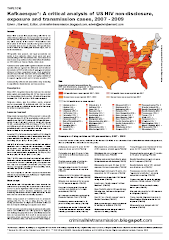
ACT (Aus) (3) Africa (37) Alberta (5) Angola (3) Arkansas (6) Asia (1) Australia (50) Austria (6) Azerbaijan (1) Belgium (1) Benin (2) Bermuda (3) Botswana (6) Brazil (1) British Columbia (7) Burkina Faso (1) Burundi (1) California (5) Cambodia (1) Cameroon (1) Canada (119) China (3) Colorado (2) Congo (1) Czech Republic (1) Delaware (1) Denmark (10) Egypt (4) Europe (3) Fiji (1) Finland (7) Florida (7) France (10) Georgia (US) (4) Germany (15) Ghana (1) Guinea (5) Guinea-Bissau (3) Guyana (1) Idaho (2) Illinois (5) India (3) Indiana (1) Iowa (7) Ireland (3) Italy (1) Jamaica (1) Kansas (3) Kentucky (2) Kenya (4) Kyrgyzstan (1) Laos (1) Latin America (1) Lesotho (1) Louisiana (2) MIssouri (4) Maine (2) Malawi (2) Mali (3) Malta (2) Manitoba (8) Maryland (3) Michigan (12) Minnesota (1) Mississippi (2) Montana (1) Mozambique (2) NSW (Aus) (3) Nebraska (3) Netherlands (3) New Hampshire (1) New Jersey (2) New Mexico (2) New South Wales (2) New York (11) New Zealand (17) Niger (3) Nigeria (3) North Carolina (3) Norway (10) Nova Scotia (1) Ohio (5) Oklahoma (2) Ontario (55) Oregon (1) Papua New Guinea (1) Pennsylvania (3) Qatar (1) Quebec (7) Queensland (Aus) (1) Rwanda (2) Saskatchewan (4) Scotland (5) Senegal (2) Sierra Leone (4) Singapore (6) South Africa (6) South Australia (14) South Carolina (4) South Dakota (2) South Korea (3) Spain (1) Swaziland (1) Sweden (20) Switzerland (10) Tanzania (3) Tennessee (4) Texas (7) Togo (5) UAE (1) UK (38) USA (149) Uganda (18) Ukbekistan (1) Ukraine (1) Vermont (1) Victoria (Aus) (14) Virginia (2) Washington (State) (2) Western Australia (5) Wisconsin (3) Zimbabwe (5)
Showing posts with label New Zealand. Show all posts

Monday, 12 March 2012

New Zealand: Court of Appeal rules HIV non-disclosure is sexual assault

Update(s): 12/13th March 2012

The New Zealand Court of Appeal has ruled that otherwise consensual unprotected sex without disclosure of known HIV-positive vitiates consent, meaning that potential HIV exposure (non-disclosure without transmission) could well be upgraded from criminal nuisance to sexual assault in future criminal cases.

The ruling is the result of a long-running civil liability compensation suit from the female complainant in a 2005 New Zealand case. See my original post from 2009, below, for details of the case.

Although the ruling relates to a civil suit and not the criminal law, it provides "a really good steer" for police, prosecutors and judges to use the ruling in future criminal cases, according to the New Zealand Law Society's Jonathan Krebs, interviewed on Radio New Zealand about the case.

The ruling was reported today in The Dominion Post, and on TVNZ.

However, only Radio New Zealand's website reported the reaction of the New Zealand AIDS Foundation to this precedent-setting ruling that could mean that in the future HIV non-disclosure may be punishable by up to 20 years in prison.

The Aids Foundation says that a Court of Appeal ruling that says people with HIV could be charged with rape if they do not tell a sexual partner about their disease, is over the top.

In a precedent setting decision on Monday the Court of Appeal in Wellington ruled people with HIV could be charged with rape if they do not tell a willing sexual partner about their disease.

However, The Aids Foundation's executive director Sean Robinson says the law is adequate in dealing with people who did not disclose their disease.


Original post: 14th July 2009

The New Zealand Court of Appeal is to hear a civil liability case from the female complainant in a 2005 New Zealand HIV exposure case that has the potential to change the law and make HIV non-disclosure a more serious crime. The case centres around whether unprotected sex without disclosure vitiates consent, as it does in Canada. If it does, then HIV exposure (non-disclosure without transmission) could be upgraded from criminal nuisance to sexual assault.

According to a story from the NZ Press Association, the woman has been trying to get compensation for years following the 'distress' of having had unprotected sex with an HIV-positive man for four months. The woman did not test HIV-positive.

She was in Wellington High Court last week to ask whether she could appeal an earlier High Court decision upholding a previous District Court decision that agreed that the Accident Compensation Corporation's (ACC, the NZ Government's accident and injury compensation board) decision to refuse payment for mental injury was correct.

The woman behind this appeal was known as "Shannon" during the first (2004-2005) court case against 35 year-old Justin Dalley.

Although a second complaint led to the groundbreaking ruling that non-disclosure with condom use was not required in New Zealand, in this case Mr Dalley pleaded guilty to the charges of criminal nuisance for having unprotected sex with "Shannon" for four months without disclosing his HIV status.

He was sentenced to "300 hours' community work, six months' supervision and... [NZ]$100 reparation to ["Shannon"] to cover her counselling costs and expenses."

Mental injury caused by criminal nuisance is not covered under the Injury Prevention, Rehabilitation, and Compensation Act (which governs ACC payouts), but "Shannon" and her lawyers are pushing the boundaries of civil and criminal law by claiming "that the man's offending was also a criminal act of a kind that was covered by the IPRC Act, such as sexual violation or indecent assault."
Lawyers for the woman accepted that the district court was bound by an earlier decision, CLM v ACC, though that case never went as far as the Court of Appeal. The judge said that in that case, which dealt with similar issues, the High Court had ruled that it was not a criminal act of the kind contemplated because those acts required lack of consent. "In that case, as in the present, the sexual intercourse was consensual[, said Justice Jill Mallon]. The High Court concluded that under New Zealand law, as it presently stood, the non-disclosure by the man that he was HIV positive did not vitiate the woman's consent." The High Court judge said at the time that any change to the law in this respect was a matter for Parliament.
By allowing the appeal, Justice Mallon has also allowed for the possibility that HIV non-disclosure may become a more serious crime in New Zealand if the Court of Appeal rules in her favour. This appears to be "Shannon"'s ultimate goal. An article from TVNZ.com at the time of Dalley's 2004 arrest in what would become the condom ruling case highlighted that "Shannon" was trying to get NZ law changed to require HIV disclosure regardless of condom use.

Dalley's ex-girlfriend "Shannon" has been fighting for a law change so anyone with HIV has to disclose their status whether they practise safe sex or not. "I don't think anyone's got the right to decide to put someone else's life at risk and I think it's only fair that somebody should know all the details," she says.
Later, in an article published in the New Zealand Herald at the time of Dalley's 2005 sentencing, "Shannon" was said to be angered by the non-custodial sentence.
The woman, known only as "Shannon", said the judge's decision had sent a strong message to every HIV-positive person that Dalley's behaviour was acceptable. "I was willing to accept home detention but not this." She said she had been unable to work during the nine-month case and had lost about $30,000 in wages. Judge Behrens said the woman had discovered Dalley's condition after receiving a letter from someone who knew him. She was traumatised, lost her job and was unable to face friends.
Interestingly, the article also reveals that following the discovery that her partner was HIV-positive, she "had lied to Dalley and his family, telling them she was HIV-positive." It was that, along with Dalley's early guilty plea, which had resulted in his lenient sentence.

Given the hysteria surrounding the current 'HIV predator' case, which has included calls for public health and privacy law reform, it is entirely possible that the Court of Appeal might be more willing to reconsider whether non-disclosure of HIV status deserves to be upgraded to a more serious 'crime'.

Wednesday, 30 March 2011

New Zealand: Charges dropped in criminal HIV transmission case

All charges against a Wellington man accused of not disclosing his HIV-positive status prior to unprotected sex with his female partner who subsequently tested HIV-positive have been dropped because police are unable to trace the complainant.

Not only did Justice Simon France drop the charges of "wounding with intent to cause grievous bodily harm" but also ordered that the man's name be suppressed.

Jo Murdoch, a lawyer from the Public Defence Service, successfully argued in court that the man's identifying particulars should be suppressed.

Justice Simon France said the issue became whether the man's HIV status – a particularly private and sensitive medical fact – should be exposed when grave doubts had been raised about the alleged victim's credibility.

The case did not have the public interest element of a person accused of having put multiple partners at risk or having risky casual sex. Also, the alleged crime was irrelevant to his employment and his contact with the public generally. Taken together the circumstances outweighed the usual principle that justice should be carried out publicly, Justice France said.

Details of the case are sketchy and come from a single story in today's Dominion Post via Stuff.co.nz.

(Pdf of webpage here if link no longer works.)

Police said he did not tell his partner he had HIV, the couple had unprotected sex and she contracted the disease. The man said his partner of several years knew of his condition and that they always had protected sex.

Shortly before the trial was due, information came to light which, if true, would have affected a court's view of her honesty. Police were unable to find her and thought she was hiding from them. They had wanted to check the information before expensive tests to see if the couple had the same strain of HIV.

The Crown offered no evidence against the man, resulting in a discharge which amounted to an acquittal.

Tuesday, 30 November 2010

Global: Powerful personal testimony and video highlight criminalisation concerns

IPPF (the International Planned Parenthood Association) has been campaigning against the criminalisation of HIV non-disclosure, alleged exposure and non-intentional transmission for the past few years, and this World AIDS Day they are highlighting their 'Criminalise Hate Not HIV' Campaign.

They have produced a beautifully shot two minute video highlighting their ongoing campaign, which you can watch below.


IPPF has also just launched Behind Bars - a collection of interviews that highlights the effect criminal laws are having on people’s working and private lives. I was particularly struck by two testimonials from individuals with whom I have had some prior contact.

Jan Albert is a Professor of Infectious Diseases and has worked at the Swedish Institute for Infectious Disease Control (SMI). Currently he works as an HIV researcher at the Karolinska Institute. He has been an expert witness in several trials; served as the expert reviewer for the 'Proof' chapter of NAM's HIV and the criminal law; and contributed to my recent aidsmap.com news story on phylogenetic analysis. He was forced to do an about-turn in 2008 regarding the SMI helping police with their criminal investigations.

Here's an exerpts of what he says in Behind Bars

Since I’ve been an expert witness in court trials, my personal opinion regarding people living with HIV (PLHIV) has changed. In my experience the accused persons are seldom ‘raw criminals’.  Instead, they are people who have been careless or even reckless. There  are many reasons for neglecting to inform sexual partners about HIV status, including denial. None, or very few, have had the intent to transmit HIV which is how these acts often are described by the media....I’ve seen prejudice in the media reporting of these cases, but that’s  how the media works and I have learnt how to deal with it. They often  want the sensational and spectacular news, especially tabloids. I wished  there was place in the media for a more nuanced view; sometimes we see  it, but not very often...Do we want to turn a proportion of our population into potential criminals every time they have sex?

Marama Pala from New Zealand also tells her story on Behind Bars.  She had actually emailed me more than a year ago wanting to tell her story on my blog, and I was happy for her to do so.  I prepared a version of her email for her approval but never heard back (I had especially wanted to know how to credit her - using her real name or a psedunoym).  Now that IPPF have published her name and story, I'd like to post what she wrote for me, which is similar, but a little more detailed.

Marama Pala was the key witness for the prosecution when Kenyan musician Peter Mwai was prosecuted for criminal HIV transmission in 1993.  Now an advocate for Māori living with HIV, she writes about her experiences and lessons learned exclusively for this blog.


KEY WITNESS FOR THE PROSECUTION

I was 22 years old when I had a sexual liaison with Peter Mwai that changed my life forever (23 July 1993). It was six weeks later that I saw a picture of his face on the front of a national newspaper with the caption, “Face of Fear”.  The article encouraged anyone that had contact with Peter Mwai to ring a detective in the New Zealand police. The detective asked, if I received a HIV-positive blood test would I help stop him from infecting other women? Not knowing what I was volunteering for, I said yes. The trial took over two years.

This was the first time that legislation written in 1963 was put to the test with charging someone with ‘wilfully infecting someone with a disease’ (maximum sentence 14 years). It was when the prosecution was unable to prove beyond a doubt that Peter Mwai was deliberately infecting people that charge was lessened to Grievous Bodily Harm (maximum sentence 7 years).

It was alleged that Peter Mwai infected an array of women before June 1993, and after six women – negative and positive – came forward and spoke to the police, they were able to charge him with reckless endangerment. I was the only one they could find who was infected after June – the date where the prosecution were able to provide evidence that he had knowledge of his HIV status. I’ve met 9 women infected by Peter Mwai.  It is presumed there are many more.

I had the condoms available, and during negotiating for safe sex, I was told that he was negative, he had a healthy child, he was healthy and why would he need to wear one and they hurt...  I trusted him. Bear in mind that 1993, negotiating for safe sex as a woman in New Zealand was almost non-existent, safe sex education was non-existent, and the only reason I had the condoms was because a friend had given them to me.

The court trial began. There was no doubt in my mind, should he be released back in to New Zealand society, that he would continue with his promiscuity, putting others at risk. He was found guilty.  He served five years in prison, was deported on release, and shortly after died in Uganda of TB.

RETHINKING CRIMINALISATION


I went in to hiding until 2005 due to unwanted and degrading media interference. It was when the situation within my ethnic community (Indigenous New Zealander Māori), was being threatened by HIV, that I became an advocate for Māori. We started a non-profit organisation called INA (Māori, Indigenous & South Pacific) HIV/AIDS Foundation.

On reflection, and spending time in the Pacific Islands reviewing the criminalisation of HIV in Papua New Guinea (my husband’s country) – first Pacific country to have HIV specific legislation – I began to recognise that the hyper-emotive ‘knee jerk’ reaction and subsequent dramas during the trial may have been a ‘tad’ heavy handed.

I started to become aware of how the criminalisation of HIV can cause stigma and discrimination for those living with HIV.  I then started to notice the differences that criminal law had on different cultural backgrounds, producing varied levels of severe to mild discrimination.  I also saw the agendas of all those who have a stake in this type of legislation. I’ve found the entire area to be a political minefield.  Whose rights are we wanting to protect? The rights of negative people wanting to be safe from infection? Or the rights of positive people to be protected from stigma and discrimination? It’s been said that the sway of the pendulum will always politically favour the majority. In Papua New Guinea’s HIV laws, they do have clauses for both sides: reckless infection of others, and discrimination of PLHWA.

INA has a philosophy that we are all responsible for HIV, and when all take responsibility, the fight will be won! Negative/Positive all have equal responsibility for HIV. HIV is an individual and public health concern.

In saying that, our women and men (Māori) have difficulty in negotiating safer sex and consensual sex. We have no programmes available to target either behavioural changes. Safer sex education is also lacking for all ages within cultural demographics. Sensitivity to cultural laws and beliefs on sex are not considered at all.

I’ve been quoted before saying that perhaps counselling and therapy would have been an option for Peter Mwai. Perhaps name, blame and shame, is not the best management of someone who puts others at risk.

I now believe that New Zealand’s criminal law is an ineffective and inappropriate tool used to address HIV risk behaviour. The psychological and mental state of a person who puts others at risk is not addressed in criminal law. Punishing them may have the opposite effect.  PLWHA are living longer with medication: would prison create a more calculating person that would be released eventually and continue to act with reckless disregard? There is no evidence to suggest that incarceration will offer any significant benefits in changing behaviours.

Criminal charges do little to stop the spread of HIV, within some cultures it dissuades people from being tested, having an attitude of ‘ignorance is bliss’, then they can’t be charged or fear of a positive test resulting in cultural violence, stigma and discrimination. Criminal charges do, however, divert resources and attention away from prevention initiatives already in place that are having an impact on reducing HIV transmission.

Most PLWHAs take responsibility for their bodies and their virus, practicing safer sex and disclosing to partners when necessary. I reiterate, it’s everybody’s responsibility to reduce exposure to any STI. Criminalising HIV puts the entire onus and responsibility on the PLWHA.

INFLUENCING NEW ZEALAND POLICY

My organisation, INA, would also like to acknowledge that ‘wilful’ or ‘reckless’ HIV infection continues to be an issue in New Zealand, with no criminal charges or spotlight placed on it in some communities. The cases mentioned above all involved women, with the most recent cases involving both men and women.  Sadly amongst our Men who have sex with men community, the prevention message targeting them the most as ‘High Risk’ has also created an acceptance of balancing the risk and life style. With many transmission of HIV being completely hidden with an acceptance attitude.

Mental illness, significant cognitive and/or psychological impairment, or a reasonable apprehension of harm adds to the compounding situation, with criminal charges doing nothing to respond to this reality or prevent further infection in such circumstances.

There has been no National Review of HIV in New Zealand, giving us a factual ‘picture’ of the situation in New Zealand. Even with recent criminal charges, there has been no directive on assessing the situation.  The complexities (homophobia, sexism, racism, stigma and discrimination) are being ignored and ‘panic’ is motivating decisions. That may be irreversible should these decisions become policy. All legal and policy responses would be best based on the best available evidence, HIV prevention, care, treatment, support and respect for human rights.

We support and advocate for a strong national policy response to HIV prevention and transmission.  We support a National Review of present criminal law in relation to HIV and review of support services available. And the exploration and development of alternatives to criminal charges and HIV, incorporating alternative responses addressing the individual, environment and social contexts involved.

Wednesday, 4 August 2010

Global: 'Where HIV is a crime, not just a virus' - updated Top 20 table and video presentation now online


Where HIV Is a Crime, Not Just a Virus from HIV Action on Vimeo.

Here is my presentation providing a global overview of laws and prosecutions at the XVIII International AIDS Conference, Vienna, on 22 July 2010.

Abstract: Where HIV is a crime, not just a virus: a global ranking of prosecutions for HIV non-disclosure, exposure and transmission.

Issues: The global (mis)use of the criminal law to control and punish the behaviour of PLHIV was highlighted at AIDS 2008, where Justice Edwin Cameron called for "a campaign against criminalisation". However advocacy on this vitally important issue is in its infancy, hampered by lack of information on a local, national and international level.

Description: A global overview of prosecutions to December 2009, based on data from GNP+ Global Criminalisation Scan (http://criminalisation.gnpplus.net); media reports collated on criminalhivtransmission.blogspot.com and WHO Europe pilot human rights audit. Top 20 ranking is based on the ratio of rate per year/per HIV population.

Lessons learned: Prosecutions for non-intentional HIV exposure and transmission continue unabated. More than 60 countries have prosecuted HIV exposure or transmission and/or have HIV-specific laws that allow for prosecutions. At least eight countries enacted new HIV-specific laws in 2008/9; new laws are proposed in 15 countries or jurisdictions; 23 countries actively prosecuted PLHIV in 2008/9.

Next steps: PLHIV networks and civil society, in partnership with public sector, donor, multilateral and UN agencies, must invest in understanding the drivers and impact of criminalisation, and work pragmatically with criminal justice system/lawmakers to reduce its harm.

Video produced by www.georgetownmedia.de


This table reflects amended data for Sweden provided by Andreas Berglöf of HIV Sweden after the conference, relegating Sweden from 3rd to 4th. Its laws, including the forced disclosure of HIV-positive status, remain some of the most draconian in the world. Click here to download pdf.

Monday, 30 November 2009

New Zealand: Alleged 'HIV predator' dies in cell

The man at the centre of New Zealand's biggest ever criminal HIV transmission case died in his cell in the early hours of Monday morning. His death is not being treated as suspicious, but the Coroner is investigating the circumstances.

The post-mortem has already begun on the impact of his death, however. GayNZ.com, which first alerted the public to 40 year-old Glenn Mills, dubbing him the 'HIV predator', has already run several pieces, including an interview with the first complainant to go to the police.

The first young formal complainant was described as "incredibly brave" after he fronted up to Auckland's Adult Sexual Assault Team in May with details of his sexual relationship with Mills and his subsequent HIV diagnosis. His evidence was the break police needed to ramp up the case into a fully-fledged investigation which revealed many more allegations. He says he felt all along that Mills should have faced justice and "fronted up to what he had done."

The young man, who has preferred not to be publicly identified, says news of Mills death is sad but he feels a sense of relief. "The anxiety of knowing that sometime soon I would have to stand up in court and reveal so much to strangers and be cross-examined about intimate aspects of my life has been intense," he says, "...at times it has been overwhelming." He says even in recent weeks he had been feeling "overwhelmingly black thoughts" about his situation but has been receiving lots of support... so many professional people and organisations have been there when I needed them, I truly appreciate their help." He says he was dreading the possibility of Mills being released on bail. "Meeting him in the street or having him contact me directly or through others would have been terrible.

"I think I may get some closure on this now," the man said this morning just minutes after hearing the news of Mills' death, "I hope so anyway. But this is not the way I would ever have wanted it to happen."

Reactions have also come in from the main NZ HIV organisations. Another piece from GayNZ.com quotes Body Positive Auckland chief executive Bruce Kilmister:
"We are deeply sorry to hear of the death of Glenn Mills," says [Kilmister]. "We realise that people may have mixed feelings about him but we also acknowledge the stigma associated with HIV which he was having to deal with after after his health status was publicly revealed." Body Positive has been supporting a number of young men who believe they contracted HIV from Mills. Kilmister says his team are working quickly to contact everyone they can to put in place professional counselling and peer support.
Mr Mills' death is a mainstream news story in NZ, too. TVNZ.com, which aired an uncomfortable in-depth report on the case in June, published a story on its website today also quoting Mr Kilmister:
He says the premature death of an HIV sufferer is sad but it will spare victims and their families from having to give evidence before the court. "That's the only positive aspect we can see. It will avoid any long trial and won't put any people through that ordeal."
Despite their use of the phrase 'HIV sufferer', I was heartened to see they included this quote from him, too:
With his death coming the day before World Aids Day, Kilmister says it reinforces the message that people need to continue to test themselves and to practise safe sex. "Each person has a responsibility to keep themselves and others safe from the transmission of this virus." He says public attitudes towards the disease have made some progress but there is still some stigma towards people with the disease.
A story from NZCity.com focuses futher on the 14 complainants (seven of whom had tested HIV-positive).
Head of the Auckland Adult Sexual Assault Team Detective Sergeant Andy King says some of the 14 people who came forward to complain about Mills are quite upset about his death. He says others are happy the matter is now behind them. "They all came forward knowing well and truly that they may have to give evidence at court. And some when I spoke to them, or when they were spoken to by police, indicated that they were sorry that they wouldn't get a chance to see justice being done."

The article ends with some rather mixed messages, however, from Hannah Jennings-Voykovich, editor of Express, NZ's gay mazagine.

Ms Jennings-Voykovich says this case has highlighted the need for people to have personal responsibility when it comes to safe sex.
But earlier in the piece
[Jennings-Voykovic] says as she relayed the news to staff this morning, there was sense of relief. However she says there are still many unanswered questions. "Whether there was the intent. Whether there could be proof that there was an intent in court. And I think there are going to be a lot of hurt people out there wondering what happened." [She] says there will now be no sense of justice for Mills' victims. "A person that we spoke to this morning said 'I believe he got off lightly'."
We shall never know whether the case of Glenn Mills, the alleged "HIV predator", was more hysteria than fact. Earlier this month, Mr Mills was in court faced with an order to provide a sample of his blood for phylogenetic analysis. This would have been compared with samples from the seven complainants who claimed he was the source of their infection, and that he "deliberately" infected them by not disclosing his HIV status when they had consensual unprotected sex. This test may have shown that he was not the source.

It's also interesting to read about the relief his death has brought, not just to some of the complainants, but also to some in NZ's gay and HIV community. His trial may have been difficult – and the media reporting would certainly have added to the stigma associated with being gay and living with HIV – but it may also have exonerated Mr Mills, or at least shown that he may not have been any kind of predator (as is the case with most people accused of such crimes).

Still, putting the boot in, is GayNZ.com's content editor, Jay Bennie, who tells 3 News
“Right from the start we described Glen Mills as a predator, and that has been controversial – but I stick by it,” says Jay Bennie of GayNZ.com. “He has been manipulative, he has been cold and calculating, he has preyed on people who are vulnerable.”
Instead, his legacy has been sealed via trial by media – and he was found guilty in that domain long ago.

[This posting is the first to reveal the name of Mr Mills, even though it has been in the public domain since June. I hesitate to include it even now, but do so to help balance the reporting on his death and legacy.]

Sunday, 29 November 2009

New Zealand: African migrant sentenced to three-and-a-half years for HIV transmission

A 34 year-old HIV-positive New Zealand citizen originally from the Democratic Republic of Congo has been sentenced to three-and-a-half years in prison for grievous bodily harm with a concurrent six months for criminal nuisance. The charges stemmed from not disclosing his HIV status before having unprotected sex with an Auckland woman, who is now HIV-positive.

I reported on the man's arrest in March, during which time the police went on a 'fishing expedition' for more complainants. It seems none were found. Interestingly, contrary to the media frenzy surrounding the bisexual Auckland man who currently faces 28 HIV exposure and transmission charges relating to 14 people, reporting on this case was extremely low-key. In fact, the man was sentenced on October 16th and this is the first news report I have seen about it.

Notably, the Sunday Star-Times article published today which reports the man's sentencing does not mention any identifying characteristics of either complainant (which is usual) or defendant (which is rare outside of the Netherlands). It is possible that since the earlier report states they had a child together, this is for the protection of the child.

The man and woman cannot be identified and other details about their relationship and where they live have also been suppressed.
What is also interesting about the article is that it includes details from the sentencing notes of Judge L Moore of Waitakere District Court which provides some insight into how little the criminal justice system cares why someone living with HIV has not disclosed their condition to their long-term sexual partner.
[T] he man insisted he did not have HIV even after his girlfriend noticed a letter from the infectious diseases centre, a nurse spoke to her about it, and one of his former partners sent her a warning text message. He continued to deny having HIV after the girlfriend discovered she had been infected...

"You blatantly lied to this trusting woman so that you could continue to have unprotected sex with her, knowing full well that by doing so, you were putting her at risk of a terrible outcome," [Judge Moore told the man]. You cared for her so little that you were prepared to gratify yourself at a risk to her life. In a way, the fact that this was a long-term relationship, the fact that this woman loved and trusted you, makes it far worse than if it were just a casual fling with somebody who was just out for a bit of sexual adventure. The breach of trust here is very great."

[...]

The man was going through a difficult time at that point [of his 2005 diagnosis], the notes say, as his marriage (which had produced two children) had come to an end. The man moved in with his victim as a boarder but their relationship became physical and they were together for at least two years.

This was the first long-term relationship the woman had been in, Judge Moore said. It seems the couple used condoms for a time before the woman went on the contraceptive pill. From that point they had unprotected sex, which the man preferred.

This man was in serious – and I mean serious – denial, and yet the court imagines that the man "blatantly lied to this trusting woman" for no other reason than to "continue to have unprotected sex with her." Since there is no transcript of the trial, or reporting of whether the man gave testimony or an explanation for his behaviour, I can only speculate that his non-disclosure was not solely to continue having unprotected sex.

In their brilliantly insightful article, Reckless Vectors: The Infecting ‘Other’ in AIDS Law, Heather Worth, Cindy Patton and Diane Goldstein write:
"...lack of disclosure has been described legally as fraud, criminal negligence, criminal nuisance, and many other charges in additional jurisdictions. However, these charges assume that everyone can disclose their HIV status at the time of every sexual act. Numerous recent studies demonstrate that there are many valid cultural reasons why individuals do not disclose their HIV status, including fear of domestic violence, fear of familial or partner abondment, and community rejection. These real impacts make disclosure of one's status nearly impossible for many, particularly for newly diagnosed individuals who are already trying to absorb the shock of their possible death. For some individuals it is likely that nondisclosure was tied to denial of HIV status and what the implications of that status might mean in terms of safe sex practices."

Disclosing that you are HIV-positive is not an easy task. It requires coming to terms with your own diagnosis and accepting it. Then it requires exposing one’s own fears and concerns and the ability to express one’s feelings. It is a task that requires a degree of trust that the response will not be negative or stigmatising (itself a difficult task since HIV-related stigma is also often internalised). Sharing this type of highly personal information also requires that a certain expectation of confidentiality or discretion can be relied upon. For many people HIV disclosure is not an event or a one-time conversation. It is a process that takes time and constant communication.

It is tragic that a case like this resulted in an HIV-positive diagnosis for the man's partner and a prison sentence for the man. If only he had had more support from his HIV clinic – which knew of his mental health difficulties – perhaps both of these could have been avoided.

Finally, I'd like to quote from another great article, Taking the blame: criminal law, social responsibility and the sexual transmission of HIV, written by Matthew Weait in 2001, which I just read for the first time yesterday.
But how dare I, if this is my approach and am infected, blame my partner – how dare I argue that simply because he knew his HIV+ status, he is the one who was at fault in any socially meaningful sense? I dare, because the law allows me to, because the law ignores my risk-taking, my irresponsibility and legitimates my gullibility. I dare, because in law, knowledge operates solely and narrowly as a basis for determining the fault of the person who is (in legal terms) responsible for causing the harm."

Friday, 10 July 2009

New Zealand: 'HIV predator' case increases testing and stigma

Following the intense media reporting of the alleged 'HIV predator' case, the New Zealand AIDS Foundation reports that the case has increased stigma against people already living with HIV, and also increased the number of people coming forward for HIV tests.

The New Zealand Herald quotes NZAF's national communications co-ordinator Dawn O'Connor.

"While people in New Zealand are aware of the need to get tested the media interest has created a stigma and discrimination against people living with HIV," she said yesterday.
It then goes on to try and assess the number of HIV tests taken up since the man's name and photo was released last month.
The NZAF would not say how many tests it had carried out, "out of respect for its clients and their right to confidentiality", but confirmed a marked increase in demand for HIV testing and counselling compared with this time last year. [...] HIV support group Body Positive said 25 to 30 people had now been tested. Craig Webster, a social worker for the agency, said calls continued to come in from all over the country, averaging five to 10 per day.
It's a conundrum that challenges those who argue that criminal HIV exposure and transmission laws and media reports of prosecutions increase HIV-related stigma and, therefore, have a negative effect on testing.

From the research I've been reading and digesting recently, there really is no proof at all that criminal laws or media reports about prosecutions dissuade people at high risk of HIV from taking an HIV antibody test. Although in some cases they might actually persuade some people to test, and in others, may dissuade someone who is highly aware of their actions and the legal repercussions not to test, their aggregate effect on testing is probably neutral.

A colleague who studies the behaviour of people with, and at risk of, HIV in the UK said to me recently that claiming that criminal laws and prosecutions put people off from testing "ascribes too much cool calculation to people who are generally getting on with their lives, and not wanting to think much about HIV." I think she's right: there are plenty of reasons why people don't test for HIV but for most people, worrying about being arrested doesn't register on the radar at all. HIV is already so stigmatised that the additive effect of being criminalised once you know your HIV-positive status is unlikely to be a significant deterent. This suggests to me that the links made between stigma and testing are perhaps not quite as straightforward as some advocates argue.

However, there is no doubt that for people already diagnosed with HIV criminalisation palpably increases the stresses and fears of living with HIV – and adversely affects their decisions to disclose and take sexual risks – but that is not necessarily the same as putting people off testing.

If anyone knows of studies from outside of the US (I am aware of two: Burris et al, 2007 and Wise 2008) and the UK (summarised in Chalmers 2008) that measure the impact of criminalisation on HIV testing, please let me know!

Friday, 19 June 2009

New Zealand: 'HIV predator' is named; seventh complainant adds further charges

The man dubbed the 'HIV predator' had his name and face splashed all over New Zealand's media today in what has become the biggest criminal HIV transmission case in NZ history. There are now seven complainants (six men, one woman) of whom five are alleging that the man was source of their HIV infection.

As well as his name and several photos, today's report on GayNZ.com includes many of the details left out of their earlier reporting, including his online dating profile nicknames and the name of the street he lived on in Auckland. They also highlight that HIV testing centres are anticipating a rise in HIV testing today and over the weekend as people recognise the man. But surely this is as much a 'fishing expedition' as a public health warning.

Today's story on TVNZ.com includes a quote from Bruce Kilmister, chief executive of NZ's PLHIV organisation, Body Positive

[Kilmister] said the alleged charges significantly changed a lot of people's lives. "Everybody who has had an association with him in the past should come forward for a test. But it's also a timely reminder that everybody has a responsibility to keep themselves safe and follow safe sex practice. HIV positive people have an added responsibility not to transmit the virus, and the best way they can do that is to have safe sex."
To put the case into perspective, according to data from New Zealand's Ministry of Health (AIDS New Zealand Issue 63 – March 2009 ) only 184 people were newly diagnosed with HIV in 2008 – of whom 91 were acquired via sex between men, but only 70% of these were acquired in New Zealand, most of whom lived in Auckland – and this was the highest number ever recorded. Since there are now five gay men (aged between 17 and 31) who claim the accused man infected them, this 'cluster' alone would represent around 8% of new diagnoses.

Adding to the panic is the 19 year-old female complainant (who has not tested positive). Between 1999-2008 there were only 52 women diagnosed with HIV that was heterosexually acquired in New Zealand. The TVNZ article continues
The fact a woman had allegedly been affected raised concerns the virus may have spread into the heterosexual community. "The reality is that most women think of the pill as the beginning and end of safe sex. It needs to be a message that goes right across the broad spectrum," [said Kilmister.]

If this man is the source of five (or possibly more) infections, this certainly is a public health concern, and the criminal justice system involvement is, indeed, a result of the failure of public health. The call for new and better public health laws in New Zealand are understandable, and certainly would be better than the current system which required media and CJS intervention.

However, last year the NZ Ministry of Health published a study examining HIV prevalence in New Zealand, both diagnosed and undiagnosed (AIDS New Zealand Issue 62 - November 2008) which found a prevalence of 4.4% amongst men who have sex with men attending sexual health clinics, of whom only half were diagnosed. Undiagnosed people can't disclose – and cannot be publically (or even privately) named and shamed as a way to warn others about specifically avoiding them. Undiagnosed people may also be having as much – or more – 'promiscuous' sex as the so-called 'HIV predator'.

Earlier in the week, TVNZ ran an in-depth look at the case and interviewed Michael Stevens, the man who orginally brought the allegations to GayNZ.com and Simon Harger-Forde, director of HIV prevention at New Zealand AIDS Foundation. It makes for uncomfortable viewing by making patient confidentiality appear to be something bad, and conflating two issues (non-disclosure resulting in HIV exposure or transmisison being a criminally liable act and the lack of an effective public health response) without any examination of the issue of shared responsibility for sexual health. Only at the very end does Mr Harger-Forde say that laws don't protect anyone, and that everyone should be using condoms.


Finally, an interesting blog posting from a feminist commentator, which highlights other concerns - that this case will end up leading to further stigmatisation of gay men and people living with HIV in New Zealand, and concludes:
Safe sex is crucial, of course, but it's also crucial that the ... case doesn't become an exercise in victim-blaming, with homophobic overtones. And it's also important that [his] behaviour doesn't prompt a backlash against HIV positive people, who have the same needs for affection, companionship and intimacy as the rest of us.

Tuesday, 16 June 2009

Global prosecutions league table sees Sweden on top

I've just done a rather quick and dirty calculation of prosecutions for HIV non-disclosure, exposure or transmission per capita, based on GNP+'s Global Criminalisation Scan data, and produced this rather interesting league table.


Despite Canada, the US and Australia being disproportionately represented on my blog, due to the sheer number of prosecutions taking place, Sweden, Norway and New Zealand have actually prosecuted the highest proportion of people with HIV in their respective countries.

Having just returned from an excellent conference organised by HIV Sweden in Stockholm (on which I reported today in this aidsmap.com news story, highlights of which are below), it really comes as no surprise that Sweden and Norway head the league of shame.

And last Tuesday, Mr Justice Cameron addressed a meeting in Stockholm organised by HIV Sweden to discuss HIV and the criminal law in Sweden and other Nordic countries.

The meeting heard that Sweden's laws were often applied selectively and discriminatory, including the recent case of an African migrant woman who had gone to the police after being raped by two men.

However, rather than charge her assailants, the police charged the woman with HIV exposure. The case is still ongoing.

Peter Gröön, of Stockholm County Council, shared data showing that African migrants – ten of the 16 people prosecuted in the past five years – also received longer prison sentences than their Swedish counterparts. Mr Justice Cameron told the meeting that this kind of HIV exceptionalism, which is fuelled by stigma, must not be tolerated. "We want [HIV to be treated] neither better, nor worse than any other disease," he said.

The meeting also heard that a coalition of grass roots and civil society organisations in Norway might lead to an abolition of Norway's current HIV exposure and transmission law, Section 155, which has led to ten prosecutions the past five years.

The law, which does not allow HIV-negative people to consent to unprotected sex, and makes little distinction between HIV exposure and transmission, places the burden on HIV-positive individuals to both disclose HIV status and insist on condom use in order to be able to avoid potential prosecution.

Through a campaign that has included providing every MP in Norway with information about the inequities of the law, and a major newspaper article from Mr Justice Cameron, published in May, representatives of HIV Manifesto and HIV Norway were hopeful that the law will be repealed during the country's revision of the its Penal Code.

The meeting also heard that a similar opportunity might also be possible in Sweden later in the year, during the pubic debate that will follow a proposal to lengthen prison sentences for assault (the law under which criminal HIV exposure and transmission is prosecuted in Sweden).

Tuesday, 9 June 2009

New Zealand: Article examines implications of 'HIV predator' case

After all the hysterical media reporting surrounding the current 'HIV predator' case comes a thoughtful analysis of the situation from the New Zealand Herald. The article also usefully includes a summary of the most important criminal HIV transmission cases over the years.

I include the first few paragraphs below. Click here to read the full article.

HIV-positive: The case for disclosure
By Chris Barton
Saturday Jun 06, 2009

Many questions arise from the case of the 40-year-old HIV-positive man charged with wilfully infecting three other men with HIV and attempting to infect a fourth.

Not just why the man, now in custody with name suppression, allegedly did what he did. Or why it took so long for the police to stop him. Or why our laws are so out of date that doctors and other health professionals are uncertain about what to do when they come across such reckless behaviour. Or why HIV is not a notifiable condition.

Puzzling as all that sounds, the greater mystery here is why did the man's sexual partners participate the way they did? Why, after decades of messages honed from the reality of the Aids epidemic 25 years on, did they not practise safe sex?


Past cases include:

1994 Kenyan musician Peter Mwai sentenced to seven years jail for having unprotected sex with five women and infecting two with HIV. Deported in June 1998 having served four years in jail here, Mwai died in Uganda in September 1998.

1999 David Purvis, a 31-year-old Pakuranga invalid beneficiary, sentenced to four months jail for committing a criminal nuisance by having unprotected sex with another man who did not contract HIV. Pleaded guilty.

2001 Former male prostitute Christopher Truscott held in "secure" care (he has escaped many times) in Christchurch after being prosecuted in 1999 for having unprotected sex with four men. Intellectually impaired, Truscott seemed unable to comprehend the implications of his HIV infection.

2004 Zimbabwean Shingirayi Nyarirangwe, 25, was sentenced to three years jail after pleading guilty in the Auckland District Court to four charges of criminal nuisance and three of assault relating to unprotected sex with several women.

2005 Justin Dalley found guilty of criminal nuisance by failing to inform a woman he was HIV positive - sentenced in Wellington to 300 hours' community work, six months' supervision and told him to pay $1000 reparation to the woman to cover her counselling costs and expenses. The woman did not contract HIV. Soon after, Dalley was acquitted on a second, similar charge because on that occasion he did wear a condom - possibly setting a legal precedent that by wearing a condom an HIV positive man is taking "reasonable precautions" against infection and need not disclose his HIV status.

Current A New Zealander originally from the Democratic Republic of Congo awaiting trial on charges that he had unprotected sex with a woman and infected her with the virus. It is possible he also infected other women.

Wednesday, 3 June 2009

New Zealand: 'HIV predator' may make legal history

A 40 year-old gay man in New Zealand whom the media have named the 'HIV predator' (interestly this moniker was created by the gay media and since he currently has interim name suppression, this stigmatising phrase continues to be used by all who write about him) is the first to be charged solely under section 201 of the Crimes Act 1961 - wilfully and without lawful justification or excuse causing or producing a sickness or disease.

In other words: intentional HIV transmission, a charge that has never been proven in any court in the world when HIV transmission occurred via consensual sex.

According to an article in GayNZ.com, the last person to be charged under this law, which carries a maximum 14 year sentence, was Peter Mwai, but he was also charged with causing reckless grievious bodily harm, with a maximum seven year sentence, as well as causing criminal nuisance. The judge found that Mr Mwai could not be found guilty of wilfully causing disease.

The question the judge asked: Did Mwai want, desire or intend the complainant to be infected? Answer: No. In the judge's opinion, all that Mwai wanted, desired, intended was sex. HIV transmission may have been the probable consequence of having unprotected sex but it was not a consequence Mwai desired. What helped the judge come to this conclusion was evidence that showed on all occasions and with all sexual partners there was mutual attraction, one thing led to another and what emerged was consensual sexual activity which became unprotected sexual intercourse. Although evidence showed Mwai was sometimes deceptive, no evidence showed sadistic or predatory tendencies or a want to infect.
However, Mr Mwai was found guilty of reckless GBH and sentenced to seven years in prison. The article then spells out what needs to proved with the current case.
The offence the man in custody is charged with requires the prosecution to prove beyond reasonable doubt that the man wilfully (wanted, desired) to cause a disease or sickness...The man in police custody is charged with an offence that is yet to be successfully prosecuted in New Zealand. If the charge goes to a jury, it will be the first time a New Zealand jury has considered a charge of wilfully causing a disease or sickness. If he is convicted, he will be the first person in New Zealand to be convicted of wilfully causing a disease or sickness in another person.

Sunday, 31 May 2009

New Zealand: HIV confidentiality laws may change due to 'HIV predator' case

In my last entry on the alleged NZ 'HIV predator' case – when I highlighed that GayNZ.com was pushing for the arrest and prosecution of an HIV-positive gay man in Auckland who allegedly meets men online, 'persuades' them to fall in love with him and then to have unprotected sex – I suggested this may turn out to be New Zealand's version of the Michael Neal case. Turns out I was right, both in terms of the mainstream coverage and the potential political fallout.

The New Zealand government is now considering changing the 1956 Public Health Act to allow for health authorities to inform police if they believe an HIV-positive person is putting others at risk. According to the New Zealand Herald, the moves are being supported by New Zealand's major HIV charity.

Health authorities were told the HIV-positive man was allegedly infecting people in Auckland and Wellington with the virus months ago but were not obliged to tell police, the Sunday News reported. Under the Public Health Act 1956 - which pre-dates HIV by many years - health professionals are not required to disclose the fact someone is HIV-positive or could be spreading the virus. The only exception is when a clinician knows a specific person is at risk, then the Medical Office of Health can be notified.

[...]

Health Minister Tony Ryall said he would meet with officials this week to discuss the possibility of a law change.


And New Zealand AIDS Foundation's spokesman Simon Harger-Forde, told the paper: "I think there needs to be more power for legislative agencies to prevent harm to others." Interesting, then, that in 2005 they produced a poster for the Pan-Pacific HIV/ AIDS Conference which concluded: "Relying on the law to protect you from HIV is a risky strategy. Disclosure does not stop HIV transmission, condoms + lubricant do."

Not coincidentally, New Zealand's confidentiality laws were dissected last week in a GayNZ.com feature.

The implications of an alleged HIV+ predator infecting young gay men in our communities for a year or more are sinking in, and one of the first questions to emerge is: "Why didn't someone do something sooner?"

[...]

Under the elderly Public Health Act 1956, which could not have predicted the emergence of HIV, health care professionals are not required to disclose an HIV positive person's identity to those authorities with the responsibility and powers to aggressively 'track and trace' health threats and proactively head off those threats. Therefore privacy legislation rules.

However valuable or even vital it may be, short of a court order to provide the details an HIV positive person's information must remain locked in his personal file, accessible only to the person who put it there. And a court order is unlikely to happen without a formal police investigation which cannot happen unless a victim makes a formal complaint to the police.

[...]

Essentially, the only person who can get the ball rolling to stop the pattern of infection is one of the infected victims. And there are any number of reasons why they might not feel able to take that step. They may not even be aware that they are part of 'a situation.' Perhaps some less formal process can come into play?
Update: June 4th. Interesting blog entry from Kevin Hague, former executive director of the New Zealand AIDS Foundation, who concludes
Reform of the Public Health legislation to give the medical Officer of Health a more finely graded set of responses will be very welcome if and when it finally occurs, but I can’t see any case for a change to privacy law.

[Back to original posting, below]

Indeed, much has transpired since my last blog entry two weeks ago. Notably, the man in question was arrested last Thursday, according to stuff.co.nz and although he was granted interim name suppression during Friday's hearing, he was refused bail.
Judge Bouchier said the men who had been infected would never be cured and would suffer for the rest of their lives. She said she was concerned that if the accused was given bail, he might interfere with complainants and witnesses. "He has contacted one complainant several times and asked him not to contact police. The victims are fearful of him being granted bail. I don't believe the court could make any bail conditions which would prevent the defendant from having access to the internet and continuing internet dating. He should be remanded in custody in the public interest."

The man is charged under NZ's Crimes Act 1961 for wounding with intent, or reckless disregard, for allegedly transmitting HIV to three men, aged 17, 24 and 26, and attempting to infect a fourth man, aged 31.

According to Judge Bouchier, the maximum penalty is seven years in prison for attempting to infect with HIV, and 14 years for transmitting HIV.

Friday, 15 May 2009

New Zealand: Alleged 'HIV predator' highlights gay community tensions

A rather disturbing developent from New Zealand highlights the tensions within the gay community over responsibility for HIV transmission during consensual, casual sex.

Update: The story has now gone mainstream, and it's becoming clear that this may well be New Zealand's version of the Michael Neal case. TVNZ.com features a five minute news report here, with a further story today on GayNZ.com. It seems the sex is consensual, but not casual: it is alleged he 'grooms' younger men, who fall in love with him, and who agree to have unprotected sex, without him disclosing his HIV status. As emotive as this may sound, let's remember that these are allegations and this is trial by media.

GayNZ.com appears to behind a campaign to prosecute an HIV-positive gay man in Auckland who is allegedly meeting men on the internet for unprotected sex. Although it's not clear whether he has actually committed any crime, GayNZ.com refers to him as an 'HIV predator' and has run six stories about him in the last three days.

The campaign began on May 12th:

GayNZ.com several days ago became aware of up to seven men in their late teens and early twenties, with one as young as seventeen, who claim that they have been infected through unprotected sex with the same man who is understood to know that he has the debilitating and sometimes deadly virus.
[...]
Auckland police became aware of the case following GayNZ.com enquiries, including an attempt to speak with the man, who is being described as "a cold, calculated predator" by a close associate of one of the infected men.
[...]
None of the infected men have felt able to discuss the matter with GayNZ.com except through intermediaries, and none have so far laid a formal complaint with the police. It is understood most of them have been in contact with HIV support organisations for up to six months.
To their credit, later the same day they published another story featuring quotes from the New Zeland AIDS Foundation highlighting that the man's alleged behaviour was not typical of HIV-positive people in general, and that such rumours can perpetuate stigma and discrimination against all HIV-positive people.
"we are unable to comment on things that are currently in process, but are very concerned that as this case becomes more widely known, the HIV positive community may be further held in disrespect by the glbt and wider communities, due to the actions of one irresponsible HIV positive man."
[...]
"Allegations and rumour can, and do, result in discrimination and stigma against people living with HIV as a group, says the Foundation's Executive Director, Rachael LeMesurier. "Therefore it is important to note that these cases are not the norm. NZAF research has found that the majority of people living with HIV are very responsible when it comes to using condoms and lube for anal sex."

However, minutes later they published another story featuring an interview with a man using the pseudonym 'Max'.
"He targets young and vulnerable guys," says 'Max', a man with a high profile in the LGBT community who has been providing support for one of the HIV infected young men. He has requested use of a pseudonym to protect the identity and wellbeing of one of the alleged victims whom he is assisting. "He makes them feel special and tells them that he loves them. They feel they love him. They become besotted with him. He develops a grip on them. He cuts them off from their family and friends."

Max understands that at least two of the HIV infected victims broached the subject of his actions and HIV status with the man, "but he convinces them it's 'just vicious gossip' from gay people who don't like him." Such is the influence the man apparently exerts over his victims none has reported the matter to the police and several are understood to still be protective of him. "One young guy acknowledges that he got HIV from this man but neither he nor his family have gone to the police," observes Max. "I advised him that this man is evil and should go to prison but the youth just got upset about that prospect."

"It's devastating for these young men. To be infected with HIV in your teens is terrible," says Max. "Somehow this guy has to be stopped."

Finally, today, they ran a story confirming that the police are now investigating the man after a formal complaint was lodged.
"The investigation is now a formal investigation," says Detective Andy King of the Adult Sexual Assault Team. "What we had before today was information that this situation was potentially ocurring. But now we have a formal complaint from a male in the community who is alleging that he has been deliberately infected with HIV by another male."

King says his team is taking the complaint "very seriously" and that three police officers are now working on an official investigation of the matter. "We will now be looking to corroborate the information we have received from the complainant," says King, who says he prefers not to give any details of the complainant or the complaint at this stage of the investigation.

Monday, 30 March 2009

New Zealand: African migrant charged with criminal HIV transmission

A 34 year-old HIV-positive New Zealand citizen originally from the Democratic Republic of Congo is under investigation following accusations that he did not disclose his HIV status before having unprotected sex with an Aukland woman, who is now HIV-positive.

According to the report from stuff.co.nz, police are now on a fishing expedition to see if there are any other complainants.

Detective Sergeant Peter Litherland of the Waitakere CIB says the case should serve as a warning to other HIV carriers "who are prepared to fully ignore their responsibilities to adopt safe sexual practices"....

The charges against him span the two years to April 2008, but police would not say whether he was in a relationship with the woman when the alleged offending occurred. Police also refused to say how the matter came to their attention.

The report adds that the woman is "understood to have a newborn baby; it is not known whether the virus has been transmitted to her child."

The man is now in custody "awaiting his next court appearance. He first appeared in Waitakere District Court earlier this month on charges of criminal nuisance and recklessly causing grievous bodily harm, and faces a maximum of eight years in prison. He has entered no plea."

The report also includes quite a lot detail to the history of HIV prosecutions in New Zealand.

Just seven men have been convicted in similar cases in New Zealand courts.

The first conviction came in 1994, when Kenyan musician Peter Mwai was sentenced to seven years' prison for having unprotected sex with five women, and infecting two. He was released in 1998, deported, and died in Uganda three months later.

A 2005 decision involving Justin William Dalley, 36, of Lower Hutt, who kept his HIV status secret from two women he slept with, set a significant legal precedent.

Dalley did not wear a condom with the first woman and for this he was sentenced to 300 hours of community work and six months' supervision; he was also ordered to pay the woman $1000 in costs.

But he did wear a condom with the second woman. The judge considered this to be taking "reasonable precautions" and acquitted him on those charges. This meant HIV-positive people could choose not to tell sexual partners about the virus, as long as they wore a condom.

Sunday, 24 February 2008

New Zealand: New bill proposes to make HIV a notifiable disease

A Press release from the New Zealand AIDS Foundation highlights concerns over the forthcoming Public Health Bill to make HIV a notifiable disease. The NZAF supports the Bill as along as all the necessary epidemiological information remains anonymised.

NZAF is keen to point out that this data collection system has not and would not involve identification of HIV positive people.

“This is about collecting the ‘what’, ‘where’ and ‘how’ of new HIV infections, not the ‘who’,” Le Mesurier explains. “The confidentiality of HIV positive New Zealanders must be protected.

“However, we need reliable data to map the changes in the HIV epidemic. For example, treatment-related deaths are a new complication that can only be monitored by analysing HIV diagnoses, rather than AIDS.


HIV data collection must be secured
Friday February 22, 2008

Adding HIV to the Ministry of Health’s list of notifiable conditions will help create an “HIV census”, ensuring that anonymous data collection on New Zealand’s HIV and AIDS epidemic is secured for the future, says the New Zealand AIDS Foundation (NZAF).

NZAF is supporting moves in the forthcoming Public Health Bill to make HIV a “notifiable” condition, providing the current anonymous coding system is retained. AIDS has already been a notifiable condition since 1985 with no breaches of confidentiality.

“AIDS represents the end result of HIV infection, and with the effectiveness of new treatments for HIV, information on AIDS notifications are increasingly less useful as a tool for tracking the spread of the epidemic,” says Rachael Le Mesurier, Executive Director of the New Zealand AIDS Foundation.

New HIV diagnosis information is currently sent by GPs, sexual health clinics and NZAF centres to the AIDS Epidemiology Group at Otago University, who collate the six-monthly AIDS New Zealand reports.

This system has been working very well since 1985 and has been entirely voluntary. Nearly 2,500 New Zealanders with HIV have given their permission for data on their diagnosis to be collected and published in AIDS New Zealand.

“The AIDS Epidemiology Group currently receives information on over 95% of HIV diagnoses, but there is no legal requirement for this data to be collected,” Le Mesurier says. “With the many demands placed on our health services, and the good news that treatments have drastically reduced AIDS deaths, we need to ensure that HIV is given the priority treatment it deserves by making the anonymous data collected secure for the future.”

NZAF is keen to point out that this data collection system has not and would not involve identification of HIV positive people.

“This is about collecting the ‘what’, ‘where’ and ‘how’ of new HIV infections, not the ‘who’,” Le Mesurier explains. “The confidentiality of HIV positive New Zealanders must be protected.

“However, we need reliable data to map the changes in the HIV epidemic. For example, treatment-related deaths are a new complication that can only be monitored by analysing HIV diagnoses, rather than AIDS.”

The Public Health Bill is currently before the Health Select Committee. The closing date for submissions is Friday March 7, 2008.

Wednesday, 7 November 2007

Editorial: The Transmission of HIV and the Criminal Law

THE TRANSMISSION OF HIV AND THE CRIMINAL LAW
Editorial by Matthew Groves in Criminal Law Journal (Australia)
(2007) 31 Crim LJ 137

There has recently been considerable publicity about the criminal law and the transmission of human immunodeficiency virus (HIV). In South Australia, the two issues came together in an appeal concerning so-called “AIDS-denialists”. In Victoria, the possible use of the criminal law in a case involving criminal conduct and the transmission of HIV generated widespread publicity about the alleged failure of administrative arrangements to manage the behaviour of people who are HIV positive and are suspected of engaging in inappropriate behaviour. The common theme in each instance was the continued difficulty that the law has in grappling with HIV-related issues. Another common point arising from each controversy is that legal responses to HIV, at least in the criminal arena, remain vexed about issues of knowledge and consent. Even the most recent of cases shows that these age-old issues are not capable of easy resolution of exact legal principle.

THE GHOSTS OF CLARENCE AND PAPADIMITROPOULOS
Criminal cases about the transmission of HIV almost always involve sexual conduct. In most of these cases, a key dispute of fact is usually whether the alleged victims knew the accused was HIV positive. Many also raise the question of whether the accused knew if he (as it usually is a male) was HIV positive. The spectre of the Clarence1 case has long hung over such cases. That notorious case involved a husband who knew that he was suffering from gonorrhoea, but nonetheless had sex with his unsuspecting wife and passed the disease to her. Clarence was charged with inflicting grievous bodily harm and assault occasioning actual bodily harm.2 His appeal against conviction succeeded in part because the consent of Mrs Clarence to have sex with her husband was held not to be vitiated by her husband’s failure to disclose his illness. The case became more controversial over time by reason of its reliance on the artificial proposition that a married woman was, by virtue of her status as a wife, deemed to have consented to have sex with her husband. But considerable difficulty also flowed from
the suggestion of Stephen J that fraud would not vitiate consent unless it went to either the nature of the act or the identity of the other person. The main problem with that approach was that it greatly narrowed the circumstances in which fraud would stymie consent.

The High Court essentially adopted a similar view Papadimitropoulos v The Queen3 when it held that an accused who had taken a woman through a sham marriage was not guilty of rape when the two subsequently had sex (on what the woman mistakenly thought was their wedding night) because the woman knew of, and consented to, both the nature of the act and the identity of the accused. The court explained that “once the consent is comprehending and actual the inducing causes cannot destroy its reality and leave the man guilty of rape”.4
The reasoning adopted by Stephen J in Clarence was not decisively accepted in England until
over a century later,5 but the decision had been steadily narrowed in the meantime.

Papadimitropoulos was similarly chipped away by the introduction of many lesser sexual offences under which similar fraud could have been prosecuted.6 The reasoning in these decisions has assumed renewed importance with the rise of HIV-related prosecutions because most of these cases involve allegations of fraud that are not unlike those in Clarence and Papadimitropoulos. The experience of other jurisdictions suggests that further difficulties arise from the circumstances of many HIV-related cases.

THE NEW ZEALAND EXPERIENCE
The leading New Zealand case of R v Mwai7 clearly invoked the spectre of Clarence. The defendant who was HIV positive had unprotected sex with five women without disclosing his HIV status. Two of the women became HIV positive. On appeal it was argued that the defendant could not control the virus and, therefore, had not failed to discharge any legal duty to which he might be subject. On appeal, attention focused on the likelihood that one of the defendant’s partners would contract HIV.

More particularly, it was argued that the many biological factors that could influence whether any particular sexual encounter might lead to the transmission of HIV were such that the required causal connection between the sexual act and HIV infection could not be established to the standard required in criminal cases. This argument was essentially accepted in a string of Victorian cases,8 but was flatly rejected by the Court of Appeal of New Zealand.9

Surprisingly little attention was given to the failure of the defendant to disclose his HIV status but the Court of Appeal did accept that disclosure could have made an important difference. The issue arose in the context of the extent of the defendant’s possible duty, as a person who had a dangerous thing under his control or charge,10 and the nature of the duty to take precautions against and to use reasonable care to avoid resulting dangers. The court accepted that:

It is certainly arguable that there would be no duty if the partner consented to run the risk. Seen in thisway, the duty to use a condom would arise only if there were a failure to disclose.11

Although the Court of Appeal accepted that this point was made irrelevant by the defendant’s failure to disclose his HIV status, it was clearly prepared to entertain the possibility that an informed partner might be able to consent to unprotected sex with a HIV positive person. The logically related proposition that a duty to use condoms might only fall upon a HIV positive person if he or she disclosed his HIV status assumes that the person knows of his or her own HIV status. A key problem with that approach is that proof on the part of a defendant of his or her HIV status might be difficult.

Another problem is that, if a duty to engage in protected sex might only arise if there is knowledge and disclosure of HIV status, no such duty arises in other instances. That possibility does not sit well with the great emphasis that health authorities have tried to place on the need to engage in safe sex practices in all instances.

THE CANADIAN EXPERIENCE
In the leading Canadian case of R v Cuerrier,12 the accused, who was HIV positive, was charged with assault after he had unprotected sex with two women without disclosing his HIV status to either of them. The case turned on s 265(3)(c) of the Canadian Criminal Code, which provides that consent to the use of force is not obtained if the victim submits or does not resist by reason of fraud. All members of the Supreme Court held that Cuerrier’s failure to disclose his HIV status could constitute fraud within the meaning of this provision and could, therefore, vitiate consent.13 The case did not provide an entirely satisfactory precedent because the various judges issued three different theories on the requirements necessary to prove fraud in this sense.

Cory, Major, Bastarache and Binnie JJ held that a complainant’s consent to sexual activity could be vitiated by fraud if an accused failed to disclose his or her HIV status dishonestly, and this dishonesty had the effect of exposing the complainant to a significant risk of bodily harm. This latter requirement was clearly met by the risk of engaging in unprotected sex, while the proper use of condoms could reduce harm sufficiently so that there was no “significant risk of bodily harm”.

According to this view, unprotected sex could give rise to criminal liability, but protected sex
probably would not. The remaining judges added a requirement that the prosecution establish that an accused either knew, or ought to have known, that his or her fraud actually induced the complainant’s consent to have unprotected sex. McLachlin and Gonthier JJ essentially argued that Clarence should be cast aside, so that deception or dishonesty about one’s HIV status or another sexually transmitted infection could constitute fraud, which would vitiate any apparent consent to sex. L’Heureux-Dubé J cast a wider net, holding that fraud occurred when the dishonest act induced the other person to consent to the conduct, irrespective of the danger or risk of the act. On this view, any form of fraud would effectively vitiate consent.

THE ENGLISH EXPERIENCE
R v Dica14 was another case involving a HIV positive man who had unprotected sex with several women without informing them of his HIV status. He was charged with the same offence used in Clarence and was convicted after the trial judge ruled that it was open to the jury to find the defendant guilty, partly on the basis that the knowledge or ignorance of the women of his health status was irrelevant because they did not have the capacity to consent to the serious harm of HIV infection.

After this ruling, the defendant chose not to give evidence. On appeal, the defendant argued that, had the trial ruling not been made, he would have testified that the women knew of his condition but consented to have unprotected sex with him.

The Court of Appeal overruled Clarence, holding that a victim’s consent to sex was not
necessarily consent to the possible consequential risk of contracting HIV, but it did concede that consent could provide a defence to the charge of inflicting grievous bodily harm. The issue of consent was, therefore, wrongly withdrawn from the jury and Dica’s conviction was overturned. This approach suggests that a person who is aware that he or she is HIV positive and recklessly transmits HIV to another person may be guilty of an offence, but the issue will depend largely on the facts of each case.

The Court of Appeal accepted that consent could not extend to conduct which amounted to a
deliberate intention to transmit HIV,15 though it is clear that proof of intentional conduct would also depend greatly on the facts of each case.16

The Court of Appeal also engaged in a curious attempt to explain the possible consequence of its acceptance of the role of consent. It reasoned that the criminalisation of risk-taking was fraught with difficulty and that “interference of this kind with personal autonomy, and its level and extent, may only be made by Parliament”.17 The Court of Appeal also observed:
The problems of criminalising the consensual taking of risks like these include the sheer
impracticability of enforcement and the haphazard nature of its impact. The process would undermine the general understanding of the community that sexual relationships are pre-eminently private and essentially personal to the individuals involved in them. And if adults were to be liable to prosecution for the consequences of taking known risks with their health, it would seem odd that this should be confined to risks taken in the context of sexual intercourse, while they are nevertheless permitted to take the risks inherent in so many other aspects of everyday life.18
While the reasoning of the Court of Appeal provoked strong opinions on the extent to which
people can and should be able to give consent to the risk of HIV infection,19 there is a clear consensus that this issue does not lend itself to a simple solution. Most of the cases to date have involved an accused who knew of his or her HIV status and nonetheless engaged in unprotected sex. All of these cases assumed that a HIV person knew the risks associated with unprotected sex but the Supreme Court of South Australia was recently faced with a novel situation in which that key assumption was challenged.

AIDS DENIALISM IN THE SUPREME COURT OF SOUTH AUSTRALIA
In R v Parenzee,20 the defendant appealed three convictions of conduct endangering life. The
defendant was HIV positive and had unprotected sex with three women. The prosecution focused on the defendant’s knowledge of his condition and led evidence that he knew of his HIV status and had been advised of the risks associated with unprotected sex. That evidence provided a strong foundation for a prosecution argument that the defendant knew his actions were likely to endanger the lives of his partners and that he was recklessly indifferent to this danger. The defendant’s appeal sought to completely undercut the basis of the prosecution by essentially denying the existence and effect of HIV. It was argued that existence of HIV had not been clearly proven, that the tests used to diagnose HIV infection were unreliable, and that there was no clear evidence that HIV killed CD4 cells (these are key cells associated with a healthy immune system). It was also argued that, even if HIV existed, there was no clear proof that it was sexually transmitted. An alternative to this latter argument was that, even if did HIV exist, the risk of transmission by sexual activity was extremely low. Although
these arguments were ostensibly raised as potentially relevant to sentencing, the applicant also sought an extension of time for permission to appeal. That permission was refused and the detailed consideration undertaken by Sulan J would no doubt greatly influence any future attempt to deny the existence of HIV or its connection to acquired immune deficiency syndrome (AIDS).

After a careful review of the evidence provided by expert witnesses called by the prosecution and defence, Sulan J rejected the “AIDS denialism” theory offered by the defence because the two witnesses who sought to give evidence in support of the theory were not qualified to give evidence in the fields of their claimed expertise. He also held that, even if the witnesses were regarded as suitably qualified to be experts, the basic assumptions that they sought to challenge were supported by such an overwhelming body of scientific evidence that no jury would fail to conclude that the HIV virus exists, that it is the cause of AIDS and that HIV was sexually transmissible.21

The conclusions of Sulan J fill in an important gap in the wider puzzle of HIV and criminal
liability. Relatively little attention has been paid to the issue of the knowledge of a HIV positive person about the likelihood of transmission or infection. It has usually been assumed that an accused must surely have known the key points found by Sulan J but, in the absence of clear findings to this effect, it would be possible for an accused person to deny the existence of either HIV or AIDS, or the possibility of the sexual transmission of HIV. This possibility would have pre-empted the arguments about knowledge or consent because it simply would have denied the existence of danger about HIV or AIDS. Parenzee essentially forced prosecutors to go “back to basics” and seek judicial confirmation of some fundamental points about HIV. If this ruling is adopted in other jurisdictions, and there seems little reason to doubt the very careful reasoning of Sulan J, it is now virtually impossible for an accused to deny the fundamental parameters of the medical evidence about HIV and AIDS. It is to be
hoped that these propositions will not be re-argued. While a few more “monkey trials” might provide a novel spectacle and grist for the academic mill, they would simply muddy an already obscure area.

Despite the detailed decision delivered by Sulan J in Parenzee, it was not entirely clear to whom the issues decided were relevant, ie did they affect the state of mind of the defendant or his partners? The points decided about the existence and potential danger of HIV and AIDS are clearly relevant to the offences of both endangerment and the actual infliction of harm. They are also relevant to the mental element of both defendants in HIV transmission cases and the partners of any such people who might be argued to have consented to the risk of unprotected sex. For the latter group, it seems increasingly difficult to maintain the possibility foreshadowed in Dica, namely that people may essentially provide informed consent to even the most serious possible harm because the common law has always shied away from the over regulation of personal sexual behaviour. One might suggest that the modern evolution of the laws of sexual offences, especially the reform of rape laws, represents a long journey away from that timidity.

Matthew Groves is a senior lecturer in law at Monash University, Melbourne.

References
1 R v Clarence (1889) LR 22 QBD 23.
2 Respectively under ss 20 and 47 of the Offences Against the Person Act 1861 (UK) (24 & 25 Vict c 100).
3 Papadimitropoulos v The Queen (1957) 98 CLR 249.
4 Papadimitropoulos v The Queen (1957) 98 CLR 249 at 261.
5 R v Linekar [1995] QB 250.
6 See, eg Crimes Act 1900 (NSW), s 61R(2)(a)(ii); Crimes Act 1958 (Vic), s 57; Criminal Code (WA), s 192.
7 R v Mwai [1995] 3 NZLR 149.
8 See the cases noted in B; D (1997) 21 CrimLJ 40; Mutemeri v Cheesman [1998] 4 VR 484; (1998) 100 A Crim R 397.
9 R v Mwai [1995] 3 NZLR 149 at 155-156.
10 Under s 156 of the Crimes Act 1961 (NZ).
11 R v Mwai [1995] 3 NZLR 149 at 156.
12 R v Cuerrier [1998] 2 SCR 371.
13 One assumption of the case was that this provision extended to sex because of the force involved, or rather that sex would normally constitute an assault in the absence of consent.
14 R v Dica [2004] QB 1257.
15 R v Dica [2004] QB 1257 at 1273. It is also worth noting that the Home Office had previously recommended that criminal liability should only attach to the intentional transmission of HIV: United Kingdom Home Office, Violence: Reforming the Offences Against the Person Act 1861 (1998).
16 The same applies to an offence under s 19A of the Crimes Act 1958 (Vic) which creates an offence of intentionally infecting another person with a serious disease.
17 R v Dica [2004] QB 1257 at 1271.
18 R v Dica [2004] QB 1257 at 1271.
19 See, eg Ryan S, “Reckless Transmission of HIV: Knowledge and Culpability” [2006] Criminal Law Review 981; Weait M,
“Criminal Law and the Sexual Transmission of HIV: R v Dica” (2005) 68 Modern Law Review 121.
20 R v Parenzee [2007] SASC 143.
21 Sulan J also rejected related arguments that the tests for the detection of HIV were not scientifically reliable or credible
.

Archive

Is this blog useful? Let me know

If you find this blog useful, please let me know, and if you find it really useful, please also consider making a small donation.

Thank you.

(Clicking on the Donate button above will take you to Paypal.)