Regions/countries/states/jurisdictions covered

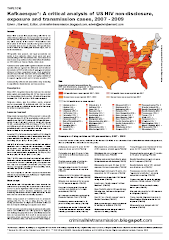
ACT (Aus) (3) Africa (37) Alberta (5) Angola (3) Arkansas (6) Asia (1) Australia (50) Austria (6) Azerbaijan (1) Belgium (1) Benin (2) Bermuda (3) Botswana (6) Brazil (1) British Columbia (7) Burkina Faso (1) Burundi (1) California (5) Cambodia (1) Cameroon (1) Canada (119) China (3) Colorado (2) Congo (1) Czech Republic (1) Delaware (1) Denmark (10) Egypt (4) Europe (3) Fiji (1) Finland (7) Florida (7) France (10) Georgia (US) (4) Germany (15) Ghana (1) Guinea (5) Guinea-Bissau (3) Guyana (1) Idaho (2) Illinois (5) India (3) Indiana (1) Iowa (7) Ireland (3) Italy (1) Jamaica (1) Kansas (3) Kentucky (2) Kenya (4) Kyrgyzstan (1) Laos (1) Latin America (1) Lesotho (1) Louisiana (2) MIssouri (4) Maine (2) Malawi (2) Mali (3) Malta (2) Manitoba (8) Maryland (3) Michigan (12) Minnesota (1) Mississippi (2) Montana (1) Mozambique (2) NSW (Aus) (3) Nebraska (3) Netherlands (3) New Hampshire (1) New Jersey (2) New Mexico (2) New South Wales (2) New York (11) New Zealand (17) Niger (3) Nigeria (3) North Carolina (3) Norway (10) Nova Scotia (1) Ohio (5) Oklahoma (2) Ontario (55) Oregon (1) Papua New Guinea (1) Pennsylvania (3) Qatar (1) Quebec (7) Queensland (Aus) (1) Rwanda (2) Saskatchewan (4) Scotland (5) Senegal (2) Sierra Leone (4) Singapore (6) South Africa (6) South Australia (14) South Carolina (4) South Dakota (2) South Korea (3) Spain (1) Swaziland (1) Sweden (20) Switzerland (10) Tanzania (3) Tennessee (4) Texas (7) Togo (5) UAE (1) UK (38) USA (149) Uganda (18) Ukbekistan (1) Ukraine (1) Vermont (1) Victoria (Aus) (14) Virginia (2) Washington (State) (2) Western Australia (5) Wisconsin (3) Zimbabwe (5)
Showing posts with label impact. Show all posts

Wednesday, 24 October 2012

US: Sero Project to present new data on harm of HIV criminalisation to Presidential Advisory Council on HIV/AIDS (PACHA)

Photo credit: Queerocracy

Tomorrow, Thursday October 25th, the Sero Project, a human rights organisation comprised of people living with HIV who seek to end inappropriate criminal prosecutions for HIV non-disclosure or for potential or perceived HIV exposure or transmission, will present new data to the Presidential Advisory Council on HIV/AIDS (PACHA) showing the harm of HIV criminalisation.

Preliminary data from the Sero Project’s national criminalisation survey were presented at the International AIDS Conference in Washington, D.C. last July. Among the latest survey findings to be released on Thursday:
      46 percent of respondents reported that they were not clear about what is required under state laws to protect themselves from prosecution.  Another 32 percent were only somewhat clear about the legal requirements.
      59 percent of young gay, bisexual, and other men who have sex with men (MSM) of color reported that they were not clear about what behaviors related to HIV-positive status put them at risk for arrest, compared to 48 percent of all other men.
      Despite the fact that female respondents were the most likely to indicate complete clarity, only slightly more than 1 in 4 women (26%) said they felt completely clear about what behaviors put them at risk for arrest.
      49 percent of male respondents, 46 percent of female respondents, and over 57 percent of transgender respondents said that it was “very” or “somewhat” reasonable for people to refuse to take an HIV test for fear of prosecution resulting from a positive test.
      42 percent of male and female respondents, and 47 percent of transgender respondents, said that it was “very” or “somewhat” reasonable for PLHIV to refuse treatment for fear of prosecution resulting from others discovering their HIV status.
      A full 24 percent of respondents reported knowing at least one person who declined to take an HIV test for fear of prosecution.
      10 percent of young gay, bisexual, or other MSM living with HIV, and 13 percent of transgender PLHIV, said that they might advise someone to avoid HIV testing because of the possibility of prosecution. 

Notes Sero’s executive director, Sean Strub: "We need stronger leadership from PACHA and the federal government to stop the creation of a viral underclass in the law.  Most efforts to combat stigma and discrimination are long and arduous and take many years; but by repealing HIV criminalisation statutes, government can take a big step all at once. We need our federal government’s effort to reflect the urgency the criminalisation crisis requires."

In addition, five survivors of HIV criminalisation prosecutions from around the United States will speak to the panel, as well as the mother and sister of a sixth person prosecuted. "We believe this is the first time any official forum of the federal government has heard directly from a group of people with HIV who have been criminalised," says Strub. "They are helping to make history and Sero is proud to have brought them to Washington for this important meeting."

The entire Sero Project press release is republished below.


NEW DATA ON HARM OF HIV CRIMINALIZATION TO BE PRESENTED
SURVIVORS OF CRIMINALIZATION PROSECUTIONS TO SPEAK
TO PRESIDENTIAL AIDS COUNCIL


WHAT: On Thursday, October 25, at the Washington Marriott at Metro Center (775 12th St NW),  The Sero Project, a human rights organization comprised of people with HIV who seek to end inappropriate criminal prosecutions of people living with HIV (PLHIV) for non-disclosure of their HIV status or for potential or perceived HIV exposure or transmission, will present to the Presidential Advisory Council on HIV/AIDS (PACHA).

Sero will reveal highlights of findings from their survey of over 2,000 people living with HIV (PLHIV) and 800 people from affected communities in the U.S., illustrating how the impact of HIV criminalization drives stigma, discourages HIV testing, disclosure and access to treatment, and disproportionately impacts young people, as well as gay, bisexual and other men who have sex with men (MSM) of color.  At the PACHA meeting, Sero will screen HIV Is Not a Crimea short film about the harm criminalization does to PLHIV and HIV prevention.

Five survivors of HIV criminalization prosecutions from around the country (Louisiana, South Carolina, Arkansas, Iowa, and Washington) will speak to the panel, as well as the mother and sister of a sixth person prosecuted. Those charged faced prosecution, incarceration, and/or required sex offender registration for not disclosing their HIV positive status to a partner. None were accused of transmitting HIV.

Sero’s survey was conducted under the direction of principal investigator Laurel Sprague, with the oversight of the institutional review board (IRB) at Eastern Michigan University.  Sprague is the regional coordinator for the North American chapter of the Global Network of People with HIV and Sero’s research director, and has herself lived with HIV for more than 20 years.

Sero’s survey shows a profoundly disabling legal environment for people with HIV in the U.S., with many PLHIV uncertain about what is required of them in terms of disclosure and uncertain what behaviors put them at risk of arrest.  Many PLHIV and members of affected communities believe that fear of prosecution makes it reasonable for people to refuse to get tested for HIV, disclose their status or access treatment.  Nearly a quarter report knowing one or more people who told them that they did not want to get tested for fear of being criminalized.

Among the survey findings to be released on Thursday:

●    46 percent of respondents reported that they were not clear about what is required under state laws to protect themselves from prosecution.  Another 32 percent were only somewhat clear about the legal requirements.
●    59 percent of young gay, bisexual, and other men who have sex with men (MSM) of color reported that they were not clear about what behaviors related to HIV-positive status put them at risk for arrest, compared to 48 percent of all other men.
●    Despite the fact that female respondents were the most likely to indicate complete clarity, only slightly more than 1 in 4 women (26%) said they felt completely clear about what behaviors put them at risk for arrest.
●    49 percent of male respondents, 46 percent of female respondents, and over 57 percent of transgender respondents said that it was “very” or “somewhat” reasonable for people to refuse to take an HIV test for fear of prosecution resulting from a positive test.
●    42 percent of male and female respondents, and 47 percent of transgender respondents, said that it was “very” or “somewhat” reasonable for PLHIV to refuse treatment for fear of prosecution resulting from others discovering their HIV status.
●    A full 24 percent of respondents reported knowing at least one person who declined to take an HIV test for fear of prosecution.
●    10 percent of young gay, bisexual, or other MSM living with HIV, and 13 percent of transgender PLHIV, said that they might advise someone to avoid HIV testing because of the possibility of prosecution.

Sean Strub, Sero’s executive director, said: "We need stronger leadership from PACHA and the federal government to stop the creation of a viral underclass in the law.  Most efforts to combat stigma and discrimination are long and arduous and take many years; but by repealing HIV criminalization statutes, government can take a big step all at once. We need our federal government’s effort to reflect the urgency the criminalization crisis requires."

Continued Strub: "We believe this is the first time any official forum of the federal government has heard directly from a group of people with HIV who have been criminalized. They are helping to make history and Sero is proud to have brought them to Washington for this important meeting."

Said Monique Moree, Sero Advisory Board member, director of Monique's Hope for Cure Outreach Service in Holly Hill, SC, and a criminalization survivor: "Criminalization is wrong and it hurts women.  A lot of women can't disclose because it invites violence, or because it jeopardizes their housing, employment, family situation or custody of their children.  I told my boyfriend he had to use a condom; that's how I said I had HIV.  But I got prosecuted anyway.

"Even though the charges were eventually dropped, they made me feel like a criminal even though I knew I wasn't.  We are treated like monsters instead of human beings. If someone maliciously and intentionally harms someone else, then there should be consequences, but those circumstances are rare and to put everyone with HIV who can't prove they disclosed in the same category is wrong.  HIV criminalization needs to change."

Said Laurel Sprague, Sero’s Research Director:  “There is a clear mismatch between the intention to reduce HIV transmission and deaths and the laws that criminalize HIV non-disclosure or exposure. Instead of working to create a social and legal environment within which people can safely disclose, the laws make people living with HIV deeply vulnerable to violations by the legal system and by partners or former partners.  The laws send a message that people living with HIV cannot be trusted to make the right decisions about disclosure on their own and that legal coercion is required. Yet the responses given by people living with HIV to describe their motivations for disclosing their status to a partner indicate that they choose to disclose for fundamentally moral reasons, not because of the existence of the law.”


WHEN/WHERE

October 25, 2012
9:30 to 5:00 pm
Late morning (TBD): Screening of HIV is Not a Crime late morning
3:30 PM: HIV criminalization survivors to speak
Meeting of the Presidential Advisory Council on HIV/AIDS (PACHA)
Washington Marriott
775 12th Street NW
Washington, DC  20005

WHO:

Sean Strub, Executive Director and founder of Sero.  Strub is a writer and long-time activist who has lived with HIV for more than 30 years.  He founded POZ Magazine, co-chairs the North American regional affiliate of the Global Network of People Living with HIV (GNP+/NA) and co-founded and is a member of the Positive Justice Project.  He has been engaged in HIV-related stigma, discrimination, criminalization and empowerment issues since the earliest days of the epidemic.

Laurel Sprague, Research Director of Sero.  Laurel Sprague is Sero’s Research Director and works with grassroots and community-based organizations to conduct qualitative and quantitative program evaluation to support participatory, community-based research projects. She has provided technical assistance to local, national, and global organizations and to networks of people living with HIV throughout the US and Canada, as well as in Sub-Saharan Africa, Central and Eastern Europe, and Central Asia.  She teaches in the Department of Political Science at Eastern Michigan University and is a PhD candidate at Wayne State University in Detroit, Michigan. Her research focuses on the resiliency and capability of HIV-positive people, particularly when faced with HIV stigma and discrimination, criminalization, human rights abuses. She is the Regional Coordinator for GNP+NA and has lived with HIV for 20+ years.

In addition, the presentation will feature testimony from the following individuals, all of whom have been prosecuted as a result of HIV criminalization, despite not being accused of transmitting HIV:

●    Nick Rhoades, an Iowan, used a condom, had an undetectable viral load and was convicted on a non-disclosure charge and sentenced to 25 years in prison.  Advocates helped get the judge to reconsider the sentence and he was released after a year, but is subject to lifetime sex offender registration.  Lambda Legal Defense is representing him in an appeal to the Iowa Supreme Court.
●    Robert Suttle served six months in a Louisiana prison and is required to register as a sex offender for 15 years.  He was in a contentious relationship; after it ended, the former partner pressed charges against Robert for not initially disclosing his HIV-positive status. Robert is the assistant director of the Sero Project and has worked as an HIV prevention outreach worker, focused on African American MSM.
●    Monique Moree, of South Carolina, was in the Army and pregnant when she found out she was positive.  When the Army found out she had a relationship with another soldier, they prosecuted her, despite the other soldier reporting that she told him to use a condom.  She faced up to 12 years; although the charges were dropped, Monique had to leave the Army.
●    Edward Casto, of Washington State, was born with HIV and was recently released from prison after serving a year and nine-months on an HIV-related charge.
●    Mark Hunter and his brother, Michael, were born with hemophilia and acquired HIV as children from blood products. Michael died of AIDS in the early 90s; Mark was prosecuted after he and his fiancee broke up.  He served 2 1/2 years in an Arkansas prison.  He is represented at the PACHA meeting by his mother, Hazel, and his sister, Faith.
●    Donald Bogardus was charged with non-disclosure in Iowa and is presently on a pre-trial release program.  He faces up 25 years in prison and lifetime sex offender registration.

About The Sero Project

Sero is a not-for-profit human rights organization comprised of people with HIV who promote the empowerment of people with HIV, combat HIV-related stigma, discrimination and criminalization and advocate for sound public health and HIV prevention policies based on science and epidemiology rather than ignorance and fear.

Sero’s HIV criminalization work includes research, raising awareness and outreach to people with HIV who have been criminalized to create a network of advocates to speak first-hand about the effects of criminalization on their lives.  Sero seeks to build a grassroots movement to mobilize the advocacy necessary to end HIV criminalization and promote a human rights-based approach to end the HIV epidemic.  Sero is a member of the Positive Justice Project, a national collaboration of activists, professionals and policy leaders combating HIV criminalization, and the HIV Justice Network, a global network of anti-criminalization advocates.

Sero is supported by the Elton John AIDS Foundation, Broadway Cares/Equity Fights AIDS, the H. van Ameringen Foundation and the Global Forum on MSM & HIV.

For more information, see www.seroproject.com.

Thursday, 11 October 2012

Canada: Study finds HIV criminalisation creates uncertainty, fear, and vulnerability

Last week's devastating ruling of the Supreme Court of Canada was quick to dismiss evidence that that HIV criminalisation was damaging to public health.

 "The only 'evidence' was studies presented by interveners suggesting that criminalization 'probably' acts as a deterrent to HIV testing," wrote Chief Justice McLachlin. "The conclusions in these studies are tentative and the studies were not placed in evidence and not tested by cross-examination. They fail to provide an adequate basis to justify judicial reversal of the accepted place of the criminal law in this domain."
And yet a few weeks earlier, a Canadian study was published that highlights exactly how the criminalisation of HIV non-disclosure is damaging public health.  It may not be possible to prove that it deters testing, but it certainly creates all kinds of problems for people living with, and at risk of, HIV.

The lead author of the study, How criminalization is affecting people living with HIV in Ontario is Professor Barry D. Adam, University Professor of Sociology at the University of Windsor, Ontario, and Senior Scientist and Director of Prevention Research at the Ontario HIV Treatment Network, Canada.

Download the report here

Drawing on results from the Ontario HIV Treatment Network Cohort Study, the Positive Places Healthy Places Cohort Study, and in-depth interviews with 122 HIV-positive people, the report examines how people living with HIV in Ontario perceive the law and the legal obligation to disclose their HIV-positive status to prospective sexual partners, as well as their perceptions of the changing public climate affected by the increasing prominence of criminal discourses applied to HIV.

The report shows how the criminal justice system and media coverage have created a climate of anxiety (though not all feel equally affected), affected views on when disclosure is (and is not) necessary, shaped messages from health professionals, and affected disclosure practices. The legal and media framing of HIV as a responsibility to disclose potentially undermines HIV prevention messaging and places ever greater numbers of people living with HIV in jeopardy.

Most study participants believed that disclosure of HIV-positive status should not be a legal requirement if protected sex is practiced. There was no significant variation in opinion by age, gender, sexual orientation, or ethnicity, but more educated respondents showed less punitive views.

The study's primary finding is that that HIV criminalisation has unfairly shifted the burden of proof so that people living with HIV are held to be guilty until proven innocent and that:
  • People with HIV are now caught in a difficult he-said/(s)he-said situation of having to justify their actions;
  • disgruntled partners now have a legal weapon to wield against them regardless of the facts; and 
  • the onus now falls on women whose male partners could ignore their wishes regarding safer sex.
In terms of general impact, many respondents reported a heightened sense of uncertainty, fear, or vulnerability, but others felt that the climate of acceptance is still better than in the early days of the epidemic, or that the prosecution of the high profile cases is justified and these people are giving all people with HIV a bad name.

To set the scene, in its introduction the report provides an extremely well-written exposition of why criminalisation HIV non-disclosure is problematic from a human rights, as well as a public health perspective. An edited version, below, provides you with a flavour of the insights.
The relationship between disclosure and HIV risk is complex at best... While some studies have found an association between disclosure and condom use, more have found no relationship...Disclosure poses a range of challenges in everyday social situations. The demand to disclose essentially requires HIV-positive people to place themselves in a situation to be rejected or stigmatized, a situation exacerbated in a climate of rising prosecution and media attention...

Ultimately reliance on disclosure makes sense as an HIV prevention measure only if both partners are certain of their serostatus, though epidemiologists point out that significant percentages of people who are HIV-positive do not know they are. In Canada, an estimated 26 percent of people infected with HIV are unaware of this fact. Indeed some researchers contend that transmission by those unaware of their infection accounts for a significant portion of new infections. Criminal prosecutions for non-disclosure encourage at-risk persons to rely on prospective sex partners to disclose their HIV status, if positive, and to assume that there is no or minimal risk in the absence of positive serostatus disclosure, evident in complainants’ testimony at trial in such cases. Serostatus disclosure laws may thus foster a false sense of security among HIV-negative persons who may default to forgoing safer sex unless notified of their partners’ HIV-positive status. Reliance on disclosure, then, is a shaky foundation for HIV avoidance. By absolving people of responsibility for practising safer sex, it may even increase vulnerability to infection.

Disclosure, then, is often challenging to accomplish in everyday life and the research evidence shows that disclosure is far from reliable as a method of avoiding HIV. The accumulation and consolidation of a body of legal doctrine that rests primarily on an obligation to disclose by those who know they are HIV-positive raises a number of problems in the pursuit of effective public policy in HIV prevention. There is, then, a need to test the presuppositions underlying the legal obligation to disclose as an HIV prevention strategy and to examine the real effects of criminalizing non-disclosure on people living with HIV.
Towards the end of the report, the authors discuss the impact of criminalisation of HIV non-disclosure on public health. Again an edited version, below, provides you with a flavour of the insights.
In Canada in recent years, the state has been shifting resources from social services to law enforcement... In HIV, the prosecutorial arm of the state has expanded while support for ASOs and for HIV prevention has become increasingly tenuous. The move on the part of some attorneys general to press for more punitive solutions to HIV prevention has many pitfalls and unintended consequences that amount, in the long run, to a public policy with poor prospects for meaningful reduction in HIV transmission combined with real damage to the lives and well-being of [people living with HIV]. Indeed obsessive focus on disclosure may create the conditions of accelerated transmission if people abandon safe sex in favour of disclosure as the preferred method of HIV avoidance...

Criminalization, whether minimal or expansive in punitive scope, has little potential to slow the advance of the HIV epidemic and has considerable potential to undermine prevention efforts currently under way....At the same time, increasing reliance on the criminal justice system to enforce a principle of universal disclosure of HIV-positive status, regardless of the likelihood of transmission, presses [people living with HIV] into an untenable double bind: they must place themselves into the risky position of heightening the possibility of rejection, stigmatization, and prosecution. Double binds can scarcely be the foundation for realistic public policy or consistent practice among [people living with HIV]. Only decriminalization and destigmatization would begin to create the conditions to make disclosure of sero-status safe. But perhaps more importantly, disclosure has been shown to be an unreliable method of reducing HIV transmission. Obscured by the criminalization debates is the fact that protected sex, especially in a situation where treatment has succeeded in attaining an undetectable viral load in the HIV-positive partner, continues to be a much more reliable method of avoiding HIV (as well as several other sexually transmitted infections).
It is interesting to note that the Supreme Court has, at least, recognised this last observation.  However, the reality of the ruling is that it states very clearly that disclosure alone is enough to negate criminal liability (notwithstanding difficulties of proving that this occurred). It also very worringly undermines safer sex messaging by stating that condoms alone (or low viral load alone) are not 'safe' enough. 

The study concludes with the following recommendations:
  • Among police and prosecutors to employ consistent evidence-informed principles in the laying of charges (i.e. by developing prosecutorial and police guidelines)
  • Among journalists to employ a rigorous decision-making matrix that strictly minimizes the publication of the identity of people living with HIV, and
  • In public health and AIDS service organisations to develop a consistent counseling policy that does not mistake universal disclosure for prevention but rather focuses on how best to engage the sexual cultures of at risk populations to advance safer sex practice.

Tuesday, 2 October 2012

US: Study finds criminalising alleged HIV non-disclosure an ineffective HIV prevention tool

A recent study published in the American Journal of Public Health by the leading US researcher into the impacts of HIV criminalisation, Carol Galletly J.D. and Ph.D., of the Center for AIDS Intervention Research at the Medical College of Wisconsin, has concluded that a New Jersey law requiring individuals with HIV to disclose their HIV-positive status to their sexual partners does not appear to be an effective HIV prevention intervention.


In the article 'New Jersey's HIV Exposure Law and the HIV-Related Attitudes, Beliefs, and Sexual and Seropositive Status Disclosure Behaviors of a Sample of Persons Living with HIV', Galletly and colleagues surveyed 479 HIV-positive New Jersey residents between March and October 2010 about the New Jersey law that requires HIV-positive individuals to disclose their status to sexual partners.
N.J. Stat. Ann. § 2C: 34-5
A person is guilty of a crime of the third degree if, knowing that he or she is infected with HIV, he or she commits an act of sexual penetration without the informed consent of the other person.
The study found that the law does not seem to be effective as an HIV prevention tool. Although 51 percent of study participants reported knowledge of the law, there was no difference between those aware and unaware of the law in terms of HIV disclosure, risky sex, and condom use.  In fact, most of the participants reported complying with the letter of the law for the previous year regardless of whether they were aware of the law or not.

Study abstract

An article by the CDC at thebody.com summarises additional findings on HIV-related stigma and perceptions of responsibility for HIV prevention.
Knowledge of the law was not associated with negative outcomes for HIV-infected study participants. Persons aware of the law did not report greater social hostility toward persons with HIV or experience more discomfort with HIV-status disclosure or more HIV-related stigma. On the other hand, those who were not aware of the law perceived more social hostility toward HIV-infected persons, experienced greater HIV-related stigma, and were less comfortable with HIV-status disclosure.

The 479 study participants, who were aged 19 to 66 years, were 45 percent female and were approximately 66 percent African American, 16 percent Hispanic, and 13 percent Caucasian. When the researchers questioned them about responsibility for HIV prevention, 90 percent believed that an HIV-infected person bore at least half of the responsibility for ensuring that their seronegative partners did not contract the disease through sex, and 34 percent felt the HIV-infected person had the full responsibility.
Given that there were no differences in behaviours or attitudes towards HIV disclosure, safer sex or responsibility for HIV prevention between those aware of the law or not, and the very high risk of human rights violations and miscarriages of justice in the application of HIV disclosure laws, the study's findings strongly suggest that HIV-specific criminal statutes criminalising HIV non-disclosure without consideration of actual risk and harm, and proof of a suitably culpable state of mind are bad laws that should be repealed.

Thursday, 26 July 2012

HIV Criminalisation Discourages HIV Testing, Creates Disabling and Uncertain Legal Environment for People with HIV in U.S. (Press Release)

The SERO Project: National Criminalization Survey


Washington, D.C. July 25, 2012

Preliminary data from the Sero Project’s ground-breaking survey of more than two thousand people living with HIV (PLHIV) in the U.S., released July 25, 2012, at the International AIDS Conference in Washington, D.C., reveals HIV criminalization is a significant deterrent to testing, accessing care and treatment for HIV:

• One quarter of respondents (25.1%) indicated they knew one or more people who told them they did not want to get tested for HIV because of fear of prosecution if they tested positive; more than 5% indicated that “many people” have told them this.

• Almost half of respondents (49.6%) felt it could be reasonable for someone to avoid testing for HIV, and 41.6% felt it could be reasonable to avoid HIV treatment for fear of prosecution.

“We expected the survey to show criminalization is a deterrent to HIV testing, but these findings indicate it is an even bigger obstacle than previously believed,” said Laurel Sprague, the project’s principal investigator who is also Sero’s Research Director. “The community’s response has been tremendous; it is obvious there is tremendous concern about HIV criminalization. I look forward to further analysis of the survey responses, including of those who are HIV negative or do not know their HIV status, which will be released in a report later this year.”

Sean Strub, Sero’s executive director and the founder of POZ Magazine, said “This is a wake-up call for public health officials and policymakers who have failed to recognize the extent to which HIV criminalization hampers efforts to combat AIDS. We’ve known for years that HIV criminal statutes do not achieve their intended purpose, to reduce HIV transmission. Now it is clear that these statutes are driving the epidemic, because of how they fuel stigma and discourage HIV testing and accessing the treatment that reduces transmission.”

Strub and Sprague are both long‐term HIV survivors and advocates who have championed self‐empowerment for people with HIV to combat stigma and improve health outcomes for themselves and their communities. The 2,076 people living with HIV in the United States who responded to the Sero survey also painted a disturbing picture of a disabling legal environment for people with HIV:

• More than a third (38.4%) reported they worried a few times or frequently about being falsely accused of not disclosing their HIV positive status; amongst transgendered persons that cigure rose to 60%.

• Respondents in the Midwest (45.9%) and South (40.9%) were more likely to express fear about false accusations than those in the West (35.1%) and Northeast (32.3%).

• Just less than two‐thirds (62.7%) of respondents were not certain whether or not their state required people with HIV to disclose their status to a partner before having sex, with the uncertainty highest in the Northeast (72.4%) and West (71.3%) and South (61.6%) and lowest in the Midwest (40.4%).

• There were significant regional differences amongst those reporting that they were informed about potential criminal liability at the time of their diagnosis. The highest rate was in the Midwest (28.8%) and South (14.8%) and lower rates were seen in the West (7.5%) and Northeast (4.1%).

• Respondents also indicated a lack of clarity about what could subject them to prosecution (47.7% “not clear”, 30% “somewhat clear” and 22.3% “completely clear”). Men reported a greater lack of clarity on this point.

The top reasons cited for disclosure were that it is “the right thing to do”, “to have honest relationships” and “not cause harm to another” or “to protect their partner”, not that it was required by law or because of fear of criminal prosecution. More than 8 in 10 PLHIV in the study said that they believe that sexual partners share equally in the responsibility for HIV prevention.

The detailed survey, which required 20 to 25 minutes to complete, was conducted online in June and July of 2012, and is the first in‐depth examination of the effect of HIV criminalization on people with HIV and one of the largest surveys of people in the U.S. with HIV ever conducted. Further results and analysis will be released later in the year.

The Sero Project is a not‐for‐profit human rights organization combating HIV‐related stigma by working to end inappropriate criminal prosecutions of people with HIV for non‐disclosure of their HIV status, potential or perceived HIV exposure or HIV transmission.

The Sero Project is supported by the Elton John AIDS Foundation, Broadway Cares/Equity Fights AIDS and the H. van Ameringen Foundation as well as many individual supporters. Special thanks to POZ Magazine, the North American regional affiliate of the Global Network of People Living with HIV/AIDS, the Positive Women’s Network, The Body and other community resources that assisted in survey promotion.

Special thanks also to Thom Riehle, Ian Anderson, Edwin Bernard, Regan Hofmann, Cecilia Chung, Julie Davids, Mark S. King and Alex Garner for their expertise and support.


Download the press release here.  More detailed preliminary data can be downloaded here.

Wednesday, 27 April 2011

UNAIDS announces new project examining "best available scientific evidence to inform the criminal law"

A new project announced yesterday by UNAIDS will "further investigate current scientific, medical, legal and human rights aspects of the criminalization of HIV transmission. This project aims to ensure that the application, if any, of criminal law to HIV transmission or exposure is appropriately circumscribed by the latest and most relevant scientific evidence and legal principles so as to guarantee justice and protection of public health."

I'm honoured to be working as a consultant on this project, and although I can't currently reveal any more details than in the UNAIDS article (full text below), suffice to say it is hoped that this project will make a huge difference to the way that lawmakers, law enforcement and the criminal courts treat people with HIV accused of non-disclosure, alleged exposure and non-intentional transmission.

The UNAIDS article begins by noting some positive developments previously highlighted on my blog, including Denmark's suspension of its HIV-specific law.  It's not too late to sign on to the civil society letter asking the Danish Government to not to simply rework the law, but to abolish it altogether by avoiding singling out HIV. So far, well over 100 NGOs from around the world have signed the letter.

The article also mentions recent developments in Norway. In fact, the UNAIDS project is funded by the Government of Norway, which has set up its own independent commission to inform the ongoing revision of Section 155 of the Penal Code, which criminalises the wilful or negligent infection or exposure to communicable disease that is hazardous to public health—a law that has only been used to prosecute people who are alleged to have exposed others, to, and/or transmitted, HIV.  It will present its findings by October 2012.

As well as highlighting some very positive recent developments in the United States – the National AIDS Strategy's calls for HIV-specific criminal statutes that "are consistent with current knowledge of HIV transmission and support public health approaches" and the recent endorsement of these calls by the National Alliance of State and Territorial AIDS Directors (NASTAD) – it also focuses on three countries in Africa.

Positive developments have also been reported in Africa. In the past year, at least three countries—Guinea, Togo and Senegal—have revised their existing HIV-related legislation or adopted new legislation that restrict the use of the criminal law to exceptional cases of intentional transmission of HIV.
I'd like to add a few more countries to the "positive development" list.

Canada
Last September, I spoke at two meetings, in Ottawa and Toronto, that officially launched the Ontario Working Group on Criminal Law and HIV Exposure's Campaign for Prosecutorial Guidelines for HIV Non-disclosure.

The Campaign's rationale is as follows
We believe that the use of criminal law in cases of HIV non-disclosure must be compatible with broader scientific, medical, public health, and community efforts to prevent the spread of HIV and to provide care treatment and support to people living with HIV. While criminal prosecutions may be warranted in some circumstances, we view the current expansive use of criminal law with concern.

We therefore call on Ontario's Attorney General to immediately undertake a process to develop guidelines for criminal prosecutors in cases involving allegations of non-disclosure of HIV status.

Guidelines are needed to ensure that HIV-related criminal complaints are handled in a fair and non-discriminatory manner. The guidelines must ensure that decisions to investigate and prosecute such cases are informed by a complete and accurate understanding of current medical and scientific research about HIV and take into account the social contexts of living with HIV.

We call on Ontario's Attorney General to ensure that people living with HIV, communities affected by HIV, legal, public health and scientific experts, health care providers, and AIDS service organizations are meaningfully involved in the process to develop such guidelines.
Last month, Xtra.ca reported that
The office of the attorney general confirms it is drafting guidelines for cases of HIV-positive people who have sex without disclosing their status.

This is a major breakthrough, but the campaign still needs your support. Sign their petition here.

By the way, video of the Toronto meeting, 'Limiting the Law: Silence, Sex and Science', is now online.


Australia
Also last month, the Australian Federation of AIDS Organisations (AFAO) produced an excellent discussion paper/advocacy kit, 'HIV, Crime and the Law in Australia: Options for Policy Reform'.

As well as providing an extensive and detailed overview regarding the current (and past) use of criminal and public health laws in its eight states and territories, it also provides the latest data on number, scope and demographics of prosecutions in Australia.
There have been 31 prosecutions related to HIV exposure or transmission in Australia over almost twenty years. Of those, a number have been dropped pre-trial, and in four cases the accused has pleaded guilty. All those charged were male, except for one of two sex workers (against whom charges were dropped pretrial in 1991). In cases where the gender of the victim(s) is/are known, 16 have involved the accused having sex with female persons (one of those cases involves assault against minors) and 10 involved the accused having sex with men. This suggests that heterosexual men, who constitute only about 15% of people diagnosed with HIV, are over-represented among the small number of people charged with offences relating to HIV transmission. Further, men of African origin are over-represented among those prosecuted (7 of 30), given the small size of the African-Australian community.
It then systematically examines, in great detail, the impact of such prosections in Australia.

These include:
  1. HIV-related prosecutions negate public health mutual responsibility messages
  2. HIV-related prosecutions fail to fully consider the intersection of risk and harm
  3. HIV-related prosecutions ignore the reality that failure to disclose HIVstatus is not extraordinary
  4. HIV-related prosecutions reduce trust in healthcare practitioners
  5. HIV-related prosecutions increase stigma against people living with HIV
  6. HIV-related prosecutions are unacceptably arbitrary
  7. HIV-related prosecutions do not decrease HIV transmission risks
  8. HIV-related prosecutions that result in custodial sentences increase the population of HIV-positive people in custodial settings
It notes, however, that
There is a narrow category of circumstances in which prosecutions may be warranted, involving deliberate and malicious conduct, where a person with knowledge of their HIVstatus engages in deceptive conduct that leads to HIV being transmitted to a sexual partner. A strong, cohesive HIV response need not preclude HIV-related prosecutions per se. Further work is required by those working in the areas of HIV and of criminal law:
  • To consider what circumstances of HIV transmission should be defined as criminal;
  • To define what measures need to be put in place to ensure that prosecutions are a last resort option and that public health management options have been considered; and
  • To ensure those understandings are part of an ongoing dialogue that informs the development of an appropriate criminal law and public health response.
 That's exactly the kind of policy outcome that UNAIDS is hoping for.

In the meantime, AFAO suggests some possible strategies towards policy reform. Their recommendations make an excellent advocacy roadmap for anyone working to end the inappropriate use of the criminal law.

Their suggestions include:
  • Enable detailed discussion and policy development
  • Develop mechanisms to learn more about individual cases
  • Prioritise research on the intersection of public health and criminal law mechanism, including addressing over-representation of African-born accused

  • Work with police, justice agencies, state-based agencies and public health officials
  • Improve judges’ understanding of HIV and work with expert witnesses
  • Work with correctional authorities
  • Work with media
I truly hope that the recent gains by advocates in Australia, Canada, Denmark, Guinea, Norway, Togo, Senegal and the United States is the beginning of the end of the overly broad use of the criminal law to inappropriately regulate, control, criminalise and stigmatise people with HIV in the name of justice or public health.

The full UNAIDS article is below.  I'll update you on the project's progress just as soon as I can.

Countries questioning laws that criminalize HIV transmission and exposure
26 April 2011

On 17 February 2011, Denmark’s Minister of Justice announced the suspension of Article 252 of the Danish Criminal Code. This law is reportedly the only HIV-specific criminal law provision in Western Europe and has been used to prosecute some 18 individuals.

A working group has been established by the Danish government to consider whether the law should be revised or abolished based on the best available scientific evidence relating to HIV and its transmission.

This development in Denmark is not an exception. Last year, a similar official committee was created in Norway to inform the ongoing revision of Section 155 of the Penal Code, which criminalises the wilful or negligent infection or exposure to communicable disease that is hazardous to public health—a law that has only been used to prosecute people transmitting HIV.

In the United States, the country with the highest total number of reported prosecutions for HIV transmission or exposure, the National AIDS Strategy adopted in July 2010 also raised concerns about HIV-specific laws that criminalize HIV transmission or exposure. Some 34 states and 2 territories in the US have such laws. They have resulted in high prison sentences for HIV-positive people being convicted of “exposing” someone to HIV after spitting on or biting them, two forms of behaviour that carry virtually no risk of transmission.

In February 2011, the National Alliance of State and Territorial AIDS Directors (NASTAD), the organization representing public health officials that administer state and territorial HIV programmes, expressed concerns about the “corrosive impact” of overly-broad laws criminalizing HIV transmission and exposure. The AIDS Directors called for the repeal of laws that are not “grounded in public health science” as such laws discourage people from getting tested for HIV and accessing treatment.

Positive developments have also been reported in Africa. In the past year, at least three countries—Guinea, Togo and Senegal—have revised their existing HIV-related legislation or adopted new legislation that restrict the use of the criminal law to exceptional cases of intentional transmission of HIV.

Best available scientific evidence to inform the criminal law


These developments indicate that governments are also calling for a better understanding of risk, harm and proof in relation to HIV transmission, particularly in light of scientific and medical evidence that the infectiousness of people receiving anti-retroviral treatment can be significantly reduced.

To assist countries in the just application of criminal law in the context of HIV, UNAIDS has initiated a project to further investigate current scientific, medical, legal and human rights aspects of the criminalization of HIV transmission. This project aims to ensure that the application, if any, of criminal law to HIV transmission or exposure is appropriately circumscribed by the latest and most relevant scientific evidence and legal principles so as to guarantee justice and protection of public health. The project, with support from the Government of Norway, will focus on high income countries where the highest number of prosecutions for HIV infection or exposure has been reported.

The initiative will consist of two expert meetings to review scientific, medical, legal and human rights issues related to the criminalization of HIV transmission or exposure. An international consultation on the criminalization of HIV transmission and exposure in high income countries will also be organized.

The project will further elaborate on the principles set forth in the Policy brief on the criminalization of HIV transmission issued by UNAIDS and UNDP in 2008. Its findings will be submitted to the UNDP-led Global Commission on HIV and the Law, which was launched by UNDP and UNAIDS in June 2010.

As with any law reform related to HIV, UNAIDS urges governments to engage in reform initiatives which ensure the involvement of all those affected by such laws, including people living with HIV.

Wednesday, 1 December 2010

US: PBS 'In The Life' highlights criminalisation in 'Legalizing Stigma' segment

In The Life, the longest running show on broadcast TV documenting the GLBT experience, is featuring the criminalisation of non-disclosure in the United States this month, starting today, World AIDS Day.

It's the first time that a nationally screened TV programme in the United States has tackled the issue with the depth and sensitivity required (notwithstanding the segment's 15 minute running time). Amber Hall, the segment's producer, showed excerpts today at a Congressional Briefing on criminalisation in Washington DC, which also featured an address by Congresswoman Barbara Lee (the only US member of the Global Commission on HIV and the Law). [Update: Barbara Lee did not attend the event but sent a member of her staff instead.]

(More on this and future US advocacy plans will be revealed following my trip to the US next week to speak at the FCAA 2010 AIDS Philanthropy Summit.)

I was actually interviewed for the show, but was left on the cuttingroom floor due to time constraints.  I totally get that they needed US voices, and there are plenty - including my colleagues Sean Strub and Catherine Hanssens of the Positive Justice Project and the leading US academic researcher into the inpact of US disclosure laws, Carol Galletly. (Her most recent findings were reported at aidsmap.com in July) However, you can still see me at the end of the segement giving my presentation at the PJP launch in September.

You can watch a preview of the episode below.  Visit In The Life's website to see the entire episode.


In related news, another interview that I did when in the US in September that finally gets an airing is with POZ magazine. It's six minutes of me talking about the problems with criminalisation in the US, and hopefully I get the message across!

Monday, 12 July 2010

Austria: AIDS 2010 delegates warned about criminal HIV exposure laws; law clarified but not binding

The organisers of the International AIDS Conference, due to be held in Vienna from next Sunday (18th July), have today provided an important update on Austria's criminal HIV exposure and transmission laws.

They recommend that anyone who is aware they are living with HIV practice safer sex and safer injecting practises whilst in Austria to minimise the legal risks.

Although the Austrian Ministry of Justice has issued various opinions clarifying the law on HIV exposure and transmission - including recognising that sex with a condom or unprotected sex with an undetectable viral load is not a criminal offence – and that this is a "firm directive to the courts, it should be noted that it does not actually change the law and is not necessarily binding on the courts. As such, conference delegates are advised to always adopt safer sex practices to protect their health, minimize the risk of transmission and the associated legal risks."

Full statement below.


Statement on Austrian Laws Impacting People Living with HIV/AIDS (PLHIV)

from AIDS 2010, GNP+ and ICW

Local and international organizers for the XVIII International AIDS Conference (AIDS 2010) look forward to welcoming delegates to Vienna this month.

As delegates plan their stay in Vienna, this short statement provides an overview of some Austrian laws that impact on people living with HIV/AIDS (PLHIV). The organizers of AIDS 2010 recommend that conference delegates read this statement to understand their legal position with respect to these areas of law.

There are two key points in this statement:
  • Intentional and negligent acts capable of transmission of HIV are criminal offences in Austria
  • Legal risks can be minimized through safer sex and safer injecting practices

Intentional and negligent acts capable of transmission of HIV are criminal offences in Austria

The Austrian Penal Code provides that it is a criminal offence to commit an act which is capable of causing the danger of spreading an infectious disease. Under the law, the disease must be reportable or notifiable. HIV is considered such an infectious disease, along with Hepatitis C, tuberculosis and gonorrhoea. An ‘act’ capable of causing danger includes sexual activity such as vaginal or anal intercourse, oral intercourse or heavy kissing where there is biting or open wounds. An ‘act’ could also include the sharing of injecting equipment.

If the act is carried out with the intent of spreading the disease then the penalty is a maximum three years imprisonment or a financial penalty. If it is an act of negligence, then the penalty is a maximum of one-year imprisonment or a financial penalty.

Under Austrian law, the following factors are irrelevant in establishing a criminal offence:
  • Whether the disease was actually transmitted. The key point is whether the act caused danger. This can be a real danger or an abstract (hypothetical) danger.
  • Whether the person carrying out the act thought, ‘without good cause’ (negligently), that the other person already carried the disease. [Note that if person who carried out the act thought ‘with good cause’ (not negligently) the other person was already infected, then the act is not a criminal offence.]
  • Whether the other person consented to the act.
  • Whether the person who carried out the act disclosed his/her disease, although this may reduce the severity of the penalty.
The Global Criminalisation Scan prepared by GNP+ shows that there have been at least 40 prosecutions in Austria resulting in at least 30 convictions. [Note that GNP+ has noted the lack of reliable data as a problem.]

It is important to note that a broad range of organisations now agree that laws that criminalise HIV transmission violate human rights and undermine public health interventions, including HIV prevention initiatives.

Legal risks can be minimized through safer sex and safer injecting practices

There have been a number of developments in Austrian case law that provide greater legal clarity on how PLHIV can minimize their legal risks in relation to the transmission of HIV. This legal information has been kindly provided by Dr Helmut Graupner, an Attorney at Law specializing in sexuality and the law in Austria.

In the lead up to AIDS 2010, the Ministry of Justice has issued an opinion clarifying the law on HIV transmissions. Whilst this opinion is a firm directive to the courts, it should be noted that it does not actually change the law and is not necessarily binding on the courts. As such, conference delegates are advised to always adopt safer sex practices to protect their health, minimize the risk of transmission and the associated legal risks.

For a person living with HIV, sexual intercourse with a condom does not constitute a criminal offence. The Supreme Court of Austria has issued a decision that sexual intercourse with a condom for a PLHIV does not constitute a criminal offence. Please note that the case law on sexual intercourse with a condom only concerns vaginal intercourse and not anal intercourse, however, the opinion of the Ministry of Justice provides that this applies to anal intercourse too.

Oral intercourse (PLHIV giving) without a condom does not constitute a criminal offence. Austrian courts have found that oral intercourse from a PLHIV to another person without a condom does not constitute a criminal offence. However, there is no case law concerning oral intercourse from an HIV-negative person to a PLHIV, so the legal position in this case remains unclear. Such intercourse should not constitute a criminal offence if safer sex practices are observed and no ejaculation into the mouth takes place. However, an HIV positive person ejaculating into the mouth of someone who is HIV negative may constitute a criminal offence. [An element of HIV transmission law in Austria is 'abstract' risk or hypothetical risk. Whilst there have been no cases concerning oral intercourse from an HIV-negative person to a PLHIV, due to the abstract risk element of the law, we have been advised to include this advice in the statement.]

If a PLHIV has an undetectable viral load, unprotected sexual intercourse does not constitute a criminal offence. The Ministry of Justice has provided a firm opinion that if the PLHIV has an undetectable viral load and is consistently following an effective ART regimen then sexual intercourse without a condom does not constitute a criminal offence, given that such persons are not infectious. Please note that the opinion is not binding on the courts. As such, delegates are advised to adopt safer sex practices even if they have an undetectable viral load.

The AIDS 2010 organisers recommend that all conference participants practice safer sex and safer injecting practices to protect their health, minimize the risk of transmission and the associated legal risks.

There are no restrictions in Austria for PLHIV in accessing public spaces
The Vienna public transportation system (Wiener Linien) has no regulations denying PLHIV the right to use the system and there has never been a reported incident of denied service to a PLHIV. Further, regulations denying entry to those with contagious diseases to public swimming facilities in Vienna were removed recently.

Conference organizers are grateful to representatives of the Austrian Government, the City of Vienna and the Austrian Parliament for their efforts to work with us to clarify Austrian laws impacting PLHIV. We are also grateful to them for all the other support given to the conference to make it a success.

Thursday, 3 December 2009

Uganda: 'Human rights will suffer' under new HIV/AIDS law (update)

Update: December 3rd

The United Nations Special Envoy on AIDS in Africa, Elizabeth Mataka – and NGOs that include the Uganda Network on Law, Ethics and HIV/Aids (Uganet) and ActionAID – have added to the many voices urging Uganda to reconsider its proposed HIV and AIDS Prevention and Control Bill.

The Daily Monitor reports that Ms Mataka told journalists in Kampala yesterday:

“I emphasise the importance of creating a bigger and social environment conducive for HIV prevention and to refrain from laws that criminalise the transmission of HIV and stigmatise certain groups in the population. These laws can only fuel the epidemic further and undermine an effective response to HIV."
Dorah Musinguzi, acting Executive Director of Uganet stated:
“We are cognisant of the fact that the draft Bill contains provisions that seek to address the HIV/AIDS pandemic but we need a law on the basis of which rights can be claimed and duties articulated in the context of HIV/AIDS. AIDS is no longer just a disease but a human rights issue. The law should be carefully crafted to find the right balance between promoting the public health while safeguarding and promoting human rights.
Original post: November 6th

A group of more than 50 Ugandan and international organizations and individuals have released a report criticising many of the provisions in the HIV and AIDS Prevention and Control Bill which is on its way to becoming law in Uganda.

A press release from Human Rights Watch (HRW) begins

The report criticizes repressive provisions in the legislation as contrary to the goal of universal access to HIV prevention, care, and treatment. The proposed law includes mandatory testing for HIV and forced disclosure of HIV status. It also criminalizes the willful transmission of HIV, the failure to "observe instructions on prevention and treatment," and misleading statements on preventing or controlling HIV.
Worryingly, the latest version of the bill, released a few days ago, has now a added provision criminalising attempted transmission, which "further opens the door for abusive prosecutions", HRW notes.

However "failure to inform one's sexual partners of HIV status is no longer criminalised" along with the rather interesting provision that would have criminalised "failure to take reasonable steps and precautions to protect oneself from HIV transmission."

Some might argue if criminalisation of HIV exposure or transmission remains in the Bill, why not allow for the prosecution of someone who does not protect oneself from HIV? That way, the law focuses on equal responsibility for HIV transmission/acquisition.

However, in a high prevalence country like Uganda (where an estimated 5.4% of the adult population is living with HIV) this would be unworkable, and would criminalise pretty much everyone who has unprotected sex, or at least is diagnosed HIV-positive - obviously a major backwards move, as this would remove any incentive for testing.

The HRW press release also focuses on the potential for criminalisation of HIV exposure and transmssion to disproportionately affect women, even though many lawmakers believe these laws protect them.

The report also highlighted how laws that criminalize HIV transmission can result in disproportionate prosecution of women because more women are tested as part of pre- or ante-natal medical care and therefore know their HIV status. Women's inability to safely negotiate condom use or disclosure to partners who might have been the source of their infection is not recognized in the bill as defenses against criminal penalties. Women who transmit HIV to their infants after birth via breast milk would also be subject to criminal prosecution, the report says.

"Women and girls have been disproportionately affected by HIV/AIDS," said Joseph Amon, health and human rights director at Human Rights Watch. "My fear is that mandatory testing and disclosure will lead to prosecution and violence instead of treatment and care."

Last month a Ugandan MP introduced a separate Anti-Homosexuality Bill that would impose the death penalty on HIV-positive gay men in Uganda if they have sex with another man.

The proposals have been roundly criticised by pretty much every human rights and HIV organisation in the world.

Monday, 30 November 2009

New Zealand: Alleged 'HIV predator' dies in cell

The man at the centre of New Zealand's biggest ever criminal HIV transmission case died in his cell in the early hours of Monday morning. His death is not being treated as suspicious, but the Coroner is investigating the circumstances.

The post-mortem has already begun on the impact of his death, however. GayNZ.com, which first alerted the public to 40 year-old Glenn Mills, dubbing him the 'HIV predator', has already run several pieces, including an interview with the first complainant to go to the police.

The first young formal complainant was described as "incredibly brave" after he fronted up to Auckland's Adult Sexual Assault Team in May with details of his sexual relationship with Mills and his subsequent HIV diagnosis. His evidence was the break police needed to ramp up the case into a fully-fledged investigation which revealed many more allegations. He says he felt all along that Mills should have faced justice and "fronted up to what he had done."

The young man, who has preferred not to be publicly identified, says news of Mills death is sad but he feels a sense of relief. "The anxiety of knowing that sometime soon I would have to stand up in court and reveal so much to strangers and be cross-examined about intimate aspects of my life has been intense," he says, "...at times it has been overwhelming." He says even in recent weeks he had been feeling "overwhelmingly black thoughts" about his situation but has been receiving lots of support... so many professional people and organisations have been there when I needed them, I truly appreciate their help." He says he was dreading the possibility of Mills being released on bail. "Meeting him in the street or having him contact me directly or through others would have been terrible.

"I think I may get some closure on this now," the man said this morning just minutes after hearing the news of Mills' death, "I hope so anyway. But this is not the way I would ever have wanted it to happen."

Reactions have also come in from the main NZ HIV organisations. Another piece from GayNZ.com quotes Body Positive Auckland chief executive Bruce Kilmister:
"We are deeply sorry to hear of the death of Glenn Mills," says [Kilmister]. "We realise that people may have mixed feelings about him but we also acknowledge the stigma associated with HIV which he was having to deal with after after his health status was publicly revealed." Body Positive has been supporting a number of young men who believe they contracted HIV from Mills. Kilmister says his team are working quickly to contact everyone they can to put in place professional counselling and peer support.
Mr Mills' death is a mainstream news story in NZ, too. TVNZ.com, which aired an uncomfortable in-depth report on the case in June, published a story on its website today also quoting Mr Kilmister:
He says the premature death of an HIV sufferer is sad but it will spare victims and their families from having to give evidence before the court. "That's the only positive aspect we can see. It will avoid any long trial and won't put any people through that ordeal."
Despite their use of the phrase 'HIV sufferer', I was heartened to see they included this quote from him, too:
With his death coming the day before World Aids Day, Kilmister says it reinforces the message that people need to continue to test themselves and to practise safe sex. "Each person has a responsibility to keep themselves and others safe from the transmission of this virus." He says public attitudes towards the disease have made some progress but there is still some stigma towards people with the disease.
A story from NZCity.com focuses futher on the 14 complainants (seven of whom had tested HIV-positive).
Head of the Auckland Adult Sexual Assault Team Detective Sergeant Andy King says some of the 14 people who came forward to complain about Mills are quite upset about his death. He says others are happy the matter is now behind them. "They all came forward knowing well and truly that they may have to give evidence at court. And some when I spoke to them, or when they were spoken to by police, indicated that they were sorry that they wouldn't get a chance to see justice being done."

The article ends with some rather mixed messages, however, from Hannah Jennings-Voykovich, editor of Express, NZ's gay mazagine.

Ms Jennings-Voykovich says this case has highlighted the need for people to have personal responsibility when it comes to safe sex.
But earlier in the piece
[Jennings-Voykovic] says as she relayed the news to staff this morning, there was sense of relief. However she says there are still many unanswered questions. "Whether there was the intent. Whether there could be proof that there was an intent in court. And I think there are going to be a lot of hurt people out there wondering what happened." [She] says there will now be no sense of justice for Mills' victims. "A person that we spoke to this morning said 'I believe he got off lightly'."
We shall never know whether the case of Glenn Mills, the alleged "HIV predator", was more hysteria than fact. Earlier this month, Mr Mills was in court faced with an order to provide a sample of his blood for phylogenetic analysis. This would have been compared with samples from the seven complainants who claimed he was the source of their infection, and that he "deliberately" infected them by not disclosing his HIV status when they had consensual unprotected sex. This test may have shown that he was not the source.

It's also interesting to read about the relief his death has brought, not just to some of the complainants, but also to some in NZ's gay and HIV community. His trial may have been difficult – and the media reporting would certainly have added to the stigma associated with being gay and living with HIV – but it may also have exonerated Mr Mills, or at least shown that he may not have been any kind of predator (as is the case with most people accused of such crimes).

Still, putting the boot in, is GayNZ.com's content editor, Jay Bennie, who tells 3 News
“Right from the start we described Glen Mills as a predator, and that has been controversial – but I stick by it,” says Jay Bennie of GayNZ.com. “He has been manipulative, he has been cold and calculating, he has preyed on people who are vulnerable.”
Instead, his legacy has been sealed via trial by media – and he was found guilty in that domain long ago.

[This posting is the first to reveal the name of Mr Mills, even though it has been in the public domain since June. I hesitate to include it even now, but do so to help balance the reporting on his death and legacy.]

Tuesday, 24 November 2009

Australia: New publication examines criminalisation; works as advocacy tool

NAPWA monograph:
click on image to download
There have been some very important policy developments in Australia recently that I've been waiting to post about until I'd finished reading the entire (Australian) National Association of People Living With HIV/AIDS (NAPWA) monograph, The Criminalisation of HIV Transmission in Australia: Legality, Morality and Reality, to which I contributed a chapter (as a co-author).

I've now read all eleven chapters and I have to say that the monograph is essential reading for anyone interested in the issue of criminalisation. It has provided me with a great deal of insight and food-for-thought as I write my book (an international overview of the issues) for NAM.

As the Honourable Michael Kirby writes in the preface

"NAPWA has collected knowledgeable and informed commentators who have a great awareness of the epidemic in Australia. Without exception, the chapters are thoughtful, balanced and informative. I hope that they will be read in Australia. Indeed, I hope that they will be available overseas to bring enlightenment that is the first step in an effective response to the epidemic."
You can see video of MP Kay Hull speaking at the launch, held last month in Canberra, here.

The monograph is already working its magic as an advocacy tool. Last week, the Sydney Star Observer reports that HIV organisations in Victoria – where more than half of all Australian prosecutions have taken place – are leading the call to clarify exactly when the public health department will involve the police to deal with people who are not disclosing their HIV status and having unprotected sex.

Contents: click on image to enlarge


One of the chapters in the monograph examines such discrepancies in new state and national guidance on the management of people living with HIV who engage in risky sexual behaviour. The National Guidelines for the Management of People with HIV Who Place Others at Risk were produced in 2008 following the fallout from the Michael Neal and Stuart
McDonald cases. The guidelines recommend that public health authorities refer people who persistently ignore warnings to disclose and/or practise safer sex to the police as a last resort, but aren't very clear on how this happens in practice.
Victorian AIDS Council executive director Mike Kennedy said although there were guidelines, a recent meeting of AIDS Council heads showed other states were similarly unclear about exactly what circumstances trigger a referral to police. “I’m not aware of any Australian state that has any clear guideline to say how this will happen, so that’s the missing bit from the reviews that were done around the country,” Kennedy said. “Our view is that [protocols] ought to be governed by a set of agreed procedures, not just rely on goodwill and a set of relationships between people in the Health Department and people in the police service because those people change.”
The NAPWA monograph also includes an enlightening chapter on the impact of prosecutions on people living with HIV, concern echoed in this comment in the SSO article from People Living With HIV/AIDS Victoria president Paul Kidd.
[Kidd] said the uncertainty of where criminal charges would be pursued was creating concern among some HIV positive people. “They’re fearful that in the normal course of their sexual lives they could put themselves in a situation where they inadvertently attract the attention of the police,” Kidd said. “We’re not talking about people who are deliberately spreading HIV or behaving in a negligent fashion. We’re talking about ordinary gay men and other people who are HIV positive who live in an environment where unprotected sex is a part of [their] lives.

I'm also reproducing an editorial by Robert Mitchell, NAPWA's president, below, to give you an idea how NAPWA hopes this monograph will lead to a change in the way Australia deals with criminal prosecutions.

HIV affects us all and, positive or negative, gay or straight, we all have a responsibility to do what we can do prevent HIV transmission. People living with HIV have long accepted the critical role they play in preventing HIV infections, as part of a model of shared responsibility. But the recent increases in criminal prosecutions of HIV exposure and transmission in Australia have caused considerable concern and led some to ask: is that model of shared responsibility breaking down?

In response, last year NAPWA commissioned a collection of papers to examine these issues. We wanted to show how these cases have been prosecuted quite inconsistently across the country, and how they have been represented in the public domain by media coverage. We are launching the resulting monograph, The Criminalisation of HIV Transmission in Australia: Legality, Morality and Reality, this week.

A number of authors with different viewpoints have contributed to the monograph, including academics, legal experts and voices from within the HIV-positive and HIV-affected communities. The end result is a collection of papers that provide rigorous analysis of the current environment in Australia, and other parts of the world, with regards to prosecution of HIV transmission.

This set of materials and commentaries will be the basis for further work on these issues by NAPWA and its member organisations. Our intention is to start a dialogue across the HIV sector and with the broader public health and legal sectors, to examine the issues raised and the impact of criminal prosecutions on the HIV-positive community in Australia today.

While few would argue that an HIV-positive person who deliberately and maliciously sets out to infect another person with HIV has committed an act of violence that should be subject to criminal sanction, very few of the prosecutions in Australia have been in this category. Almost all have been for the ‘knowing and reckless’ category of HIV transmission, where the accused had no intention of transmitting HIV.

The use of criminal law against a person on the basis of HIV status in these circumstances is considered by many to be discriminatory, as it treats the HIV-positive partner as perpetrator and the HIV-negative partner as victim. This shifts the burden of prevention onto people with HIV, and undermines established principles of shared responsibility and safe, consenting, sexual practice.

The blame and persecution directed towards HIV positive people is unacceptable and NAPWA is calling for a review of criminal laws to redress this imbalance. Laws requiring mandatory disclosure by positive people, and laws that treat HIV as inherently more serious than other infections with similar medical impacts, are areas we think need fixing. We need a nationally consistent legal framework that supports public health policy and population health outcomes, and protects the human rights of people with HIV.

NAPWA hopes this work will spark interest and support from across the community to work towards resolving these differences and contradictions. We are working towards a nationally consistent, fair and just legal framework that reinforces rather than degrades the model of shared responsibility and treats HIV as a health issue first and a legal issue only as a last resort.

Saturday, 21 November 2009

Canada: Hamilton woman get two years house arrest after pleading guilty to HIV exposure following condom failure (update)

Update: November 21st

Robin Lee St. Clair, a woman who used condoms for her one-night encounter, and who revealed her HIV status when the condom broke to allow the man to access PEP, has been sentenced to two years' house arrest, according to a report in the Toronto Sun.

Robin St. Clair, 28, who pleaded guilty to two counts of sexual assault, cried in court today when she was told she would be registered as a sex offender for life and would be made to provide a DNA sample. [...] She will also be on probation for three years after the house arrest.
I originally thought it was just one count, but no - they had sex twice! With condoms!!
The man had intercourse with St. Clair twice and on the second occasion the condom ripped.
In my original post, below, I had wondered whether the judge, Justice Paul Taylor, might actually be a good guy for considering 'just' a 90 day prison sentence. I'm not sure that two years' house arrest is preferable.

But, actually, Justice Paul Taylor is just as irrational as most of the rest of the criminal justice system when it comes to HIV. His comments – that sex with condoms with someone who knows they are HIV-positive but doesn't tell you is unlawful – are not exactly true to the spirit of the Cuerrier decision.
Criminal law has a role to play when people with HIV put the lives of others at risk. No one would voluntarily get the disease," Taylor said. "(The man) was exposed to a risk he shouldn't have been exposed to. If he was told of her status he would have rejected her, which was his decision to make."

Court heard that the man had a 1-in-2,000 chance of contracting the HIV, but remains disease free.

"To him it is still very real and continues to debilitate him," Taylor said. "The melancholy fact is condoms break."

Taylor said St. Clair's actions weren't calculating so he decided to let her serve the time under house arrest.

"She wasn't seeking out men to expose them to the disease," Taylor said. "But she is not blessed with all the intellectual gifts."

Such comments suggest that Justice Taylor needs to reread Cuerrier and reassess if it really means what he thinks it is saying. Cuerrier established that consent to otherwise consensual sex is invalid if a person living with HIV does not disclose this before engaging in conduct that poses a "significant risk" of HIV transmission. Having sex with condoms - even if they do occasionally break – is not a "sigificant risk". A 1-in-2000 chance of acquiring HIV is not a "significant risk".

Yet the careful use of condoms might be found to so reduce the risk of harm that it could no longer be considered significant

Mr Justice Corey, R v Cuerrier (Supreme Court of Canada, 1998)

This is how people have sex in the real world. Having sex with a condom with someone who is HIV-positive, is safer sex not safe sex. That does not eliminate risk, but it is within the bounds of life's normal risks.

I'm certain that Canadian advocates will be outraged and disappointed with Justice Taylor.

Since Ms St Clair pleaded guilty, there can be no appeal, and this will not create a legal precedent. The lesson to be learned is that people who are charged under Canada's HIV non-disclosure law need good legal advice. If she had pleaded not guilty and this had gone to trial, she would have been found innocent.

However, what Canada really needs is prosecutorial guidelines like those produced in England & Wales, that set out where the Crown should prosecute based on current law. This case should never have been prosecuted in the first place.

Original post: September 17th

Is the tide finally turning?

Following yesterday's revelation that a US judge has reduced the sentence for non-disclosure during a one-night stand from 25 years in prison to five year's probation, a judge in Toronto is debating whether to sentence a 28 year-old woman from Hamilton, Ontario to 90 days in prison or give her a conditional discharge for the same 'crime'.

Robin Lee St. Clair pleaded guilty in June to two counts of aggravated sexual assault for not disclosing her HIV status to a man she met for a one-night stand in 2007. (At least this was only charged as aggravated sexual assault; two men currently face attempted murder charges for exactly the same 'crime')

Now, the Toronto Sun reports what happened during her sentencing hearing before Ontario Court Justice Paul Taylor earlier this week. In the article, commentator/journalist Michele Mandel writes:
Should the Hamilton woman be sent to jail for having sex with a Toronto man without telling him she has HIV? Or has the 28-year-old already paid her debt to society -- her photo plastered on the front page of her local newspaper, she and her son kicked out of the community pool? Is she a criminal or just a coward afraid to divulge her terrible secret as she looked for love? Should she be punished? Or rehabilitated? It depends on which side of the Finch Ave. courtroom you sat on yesterday.
She then highlights, as I did in my previous blog posting on this case, that despite the police claiming she posed a "huge threat", only on complainant has ever appeared.

BROKEN CONDOM

The article also explains, for the first time, what happened between Ms St. Clair and the complainant. It seems that Ms St. Clair did disclose her HIV status to the man - but after the condom they were using broke. This is what all responsible HIV-positive individuals should do in such a situation, so that the HIV-negative individual can access PEP. But rather than thank her for the information, the man ran to the police.

The most worrying thing about this case is the fact that the Crown decided to prosecute, despite this man being the only complaint.
Crown Tim Morgan asked the judge to send the single mom to jail for 90 days as both "deterrence and denunciation" of her exposing her victim to possible infection without his consent. The fact that she insisted on a condom doesn't mitigate what she did, the prosecutor added. "It's not good enough -- in fact, it's criminal -- to just use a condom and be absolved of your responsibility. You have to disclose."
Mr Morgan is dead wrong, but it seems that Justice Taylor did not pick up on the difficulties with the law around issues of HIV disclosure and "significant risk". This issue - whether HIV-positive Canadians must disclose prior to sex even with a condom - has not yet been decided by the Supreme Court, but it is not definitively considered to be "criminal", as he asserts.

Writing in the May 2009 issue of HIV/AIDS Policy & Law Review 14(1), the Canadian HIV/AIDS Legal Network's Alison Symington notes:
The majority judgment was clearly not imposing a blanket obligation on persons living with HIV to disclose their status in every sexual encounter. What was not clear is where the line would be drawn between activities requiring disclosure and those not requiring disclosure. For example, Justice Cory [writing for the majority in the Cuerrier decision] contemplated that disclosure might not be required with respect to intercourse for which a condom was used, but did not make an explicit ruling on the issue.
Ms St. Clair's lawyer, Kim Edward, argued that the prefered sentence would be a conditional discharge,
insisting her client is a "simple" woman who can neither read nor write very well, a good mother and community volunteer who is educating herself -- better late than never, it seems -- about the moral and legal responsibilities that come with the HIV she has had since 2003. "This is not one of those individuals who is callously and intentionally infecting others," Edward told the court.
IMPACT STATEMENT

I'm always interested in hearing what the impact of having a one-night stand with someone who you discover is HIV-positive must be like. I mean, surely if you are having a one-night stand you must know that there is a chance that the person you are sleeping with will have HIV. At least one-in-four people with HIV don't know they have the virus, so even if they wanted to disclose this before sex, they couldn't.

Ms St. Clair's 'victim' doesn't appear to have considered this; and he wasn't at all grateful that she disclosed following the breakage of the condom, which would have allowed him to seek medical attention to reduce the risk of becoming HIV-positive.

While he remains HIV-negative, he writes in his victim impact statement entered in court yesterday that he is plagued with embarrassment and will never be the same. "I am no longer able to sleep through the night due to anxiety and stress," he wrote. "I am stuck in a box ... I don't care about anything anymore. The year of doing blood work to make sure I was OK has affected me the most. The waiting period of a whole year felt like an eternity to me. Waiting to see if I was affected by the disease has had the most fearful impact on my life. I am still not 100% sure in my mind that I am OK."
I am constantly amazed that people who have been exposed to HIV via, say, a broken condom, or a bite, agonise over their extremely low risk for much longer than is necessary. The latest generation HIV tests can pick up antibodies within ten days, and experts now agree that the 'window period' between infection and detection is less than one month. Why did this man's uncertainty last a year? Is it really Ms. St Clair's fault that this man worries excessively? And what exactly is he embarrassed about? If I were him, I'd be embarrassed that I complained the police about something that was clearly as much his responsibility as Ms St Clair's following the accidental breakage of a condom.

Finally, I must comment on - and protest - the language used by Ms Mandel in the article, who uses the usual 'deadly weapon' cliché to describe a consensual sexual act between two adults.
[Ms St Clair is] like a woman who has played Russian roulette with at least one man's life...she carries a weapon as lethal as any gun.
Robin Lee St. Clair will finally learn her fate on October 28th.

Archive

Is this blog useful? Let me know

If you find this blog useful, please let me know, and if you find it really useful, please also consider making a small donation.

Thank you.

(Clicking on the Donate button above will take you to Paypal.)